How to Remove Scratches from Car Paint & Protect It
Whether a Calgary car scratch can be buffed out depends on its depth across three levels: surface clear-coat swirls polish out easily, base-coat scratches (the white line) need wet sanding and heavy compounding, and deep gouges showing grey primer or silver metal require touch-up paint or a respray. The quick test is your fingernail: if it catches in the scratch, it is usually too deep to safely polish. Correct shallow scratches by washing, claying, machine polishing with cutting compound, then refining. Because prevention is cheaper than correction, seal the paint afterward with ceramic coating or, for the strongest defense against rocks and scratches, paint protection film (PPF).
Walking out to your car and finding a scratch is a heart-sinking feeling. Whether it's a malicious key mark, an accidental door ding, or just years of swirl marks, paint defects ruin the look of your vehicle.
Before you grab a bottle of compound, you need to understand what you are dealing with. Treating a deep scratch like a surface swirl can ruin your clear coat.
Understanding Car Paint Scratches: The 3 Levels
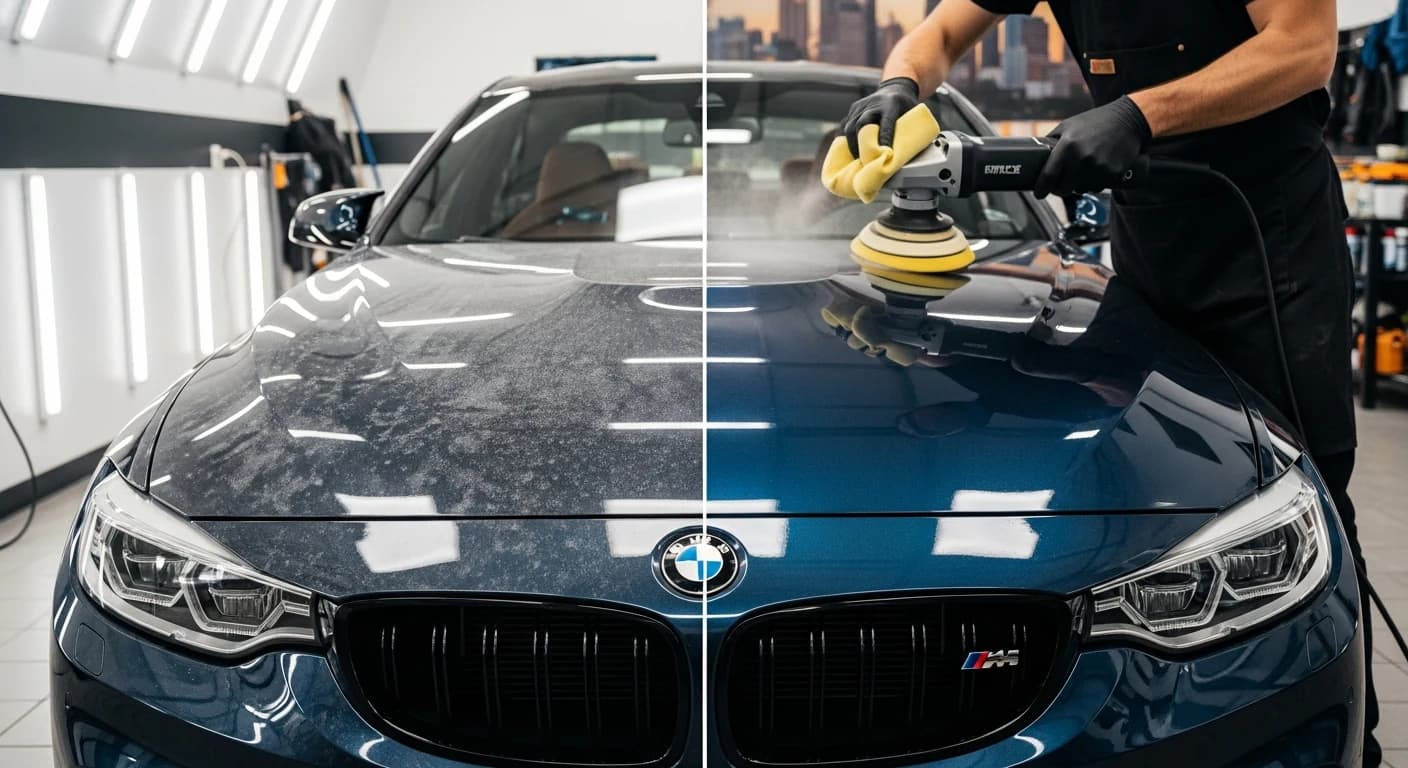
Level 1: Clear Coat Swirls (Spiderwebs)
These are surface-level mars that look like spiderwebs in the sun. They are in the top layer of clear coat.
Fixable? Yes, easily polished out.
Level 2: Base Coat Scratch (The White Line)
The scratch has penetrated the clear coat and hit the color layer. It often looks white. Your fingernail might slightly catch.
Fixable? Requires wet sanding and heavy compounding. Might not be 100% removable.
Level 3: Primer/Metal (Deep Gouge)
You see grey (primer) or silver (metal). This is a wound.
Fixable? Requires touch-up paint or a body shop respray. Polishing will not fix this.
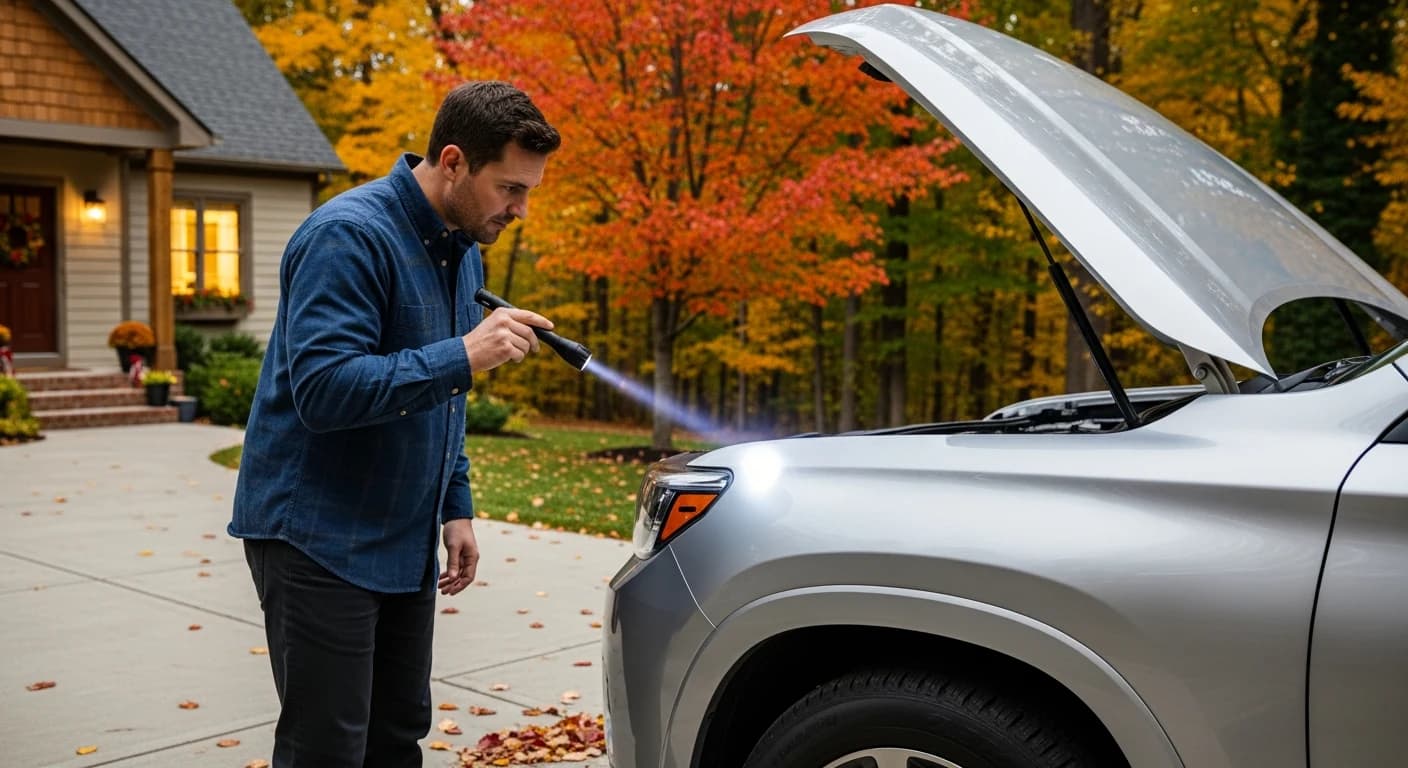
The fingernail test is the same one I run the moment a car rolls into the bay — if my nail catches, I already know polishing alone won't bring it back. By far the most common "scratches" we get asked to fix in Calgary aren't single marks at all, they're fine swirl webs from people wiping winter road film and salt off a dry car with whatever towel was in the trunk. That grit acts like sandpaper, and once we machine-polish it out, the real fix is making sure it doesn't come back: a coating or film so the next wipe rides on top of the protection instead of digging into your clear coat.
— Ahmed, Calgary PPF Pros
How to Remove Surface Scratches (DIY Guide)
If you are unsure, do not wet sand your own car. You can burn through the clear coat in seconds.
Wash & Decontaminate
Step 1Wash the area thoroughly. Clay bar it to remove embedded contaminants. You don't want to grind dirt into the paint.
Polishing (Correction)
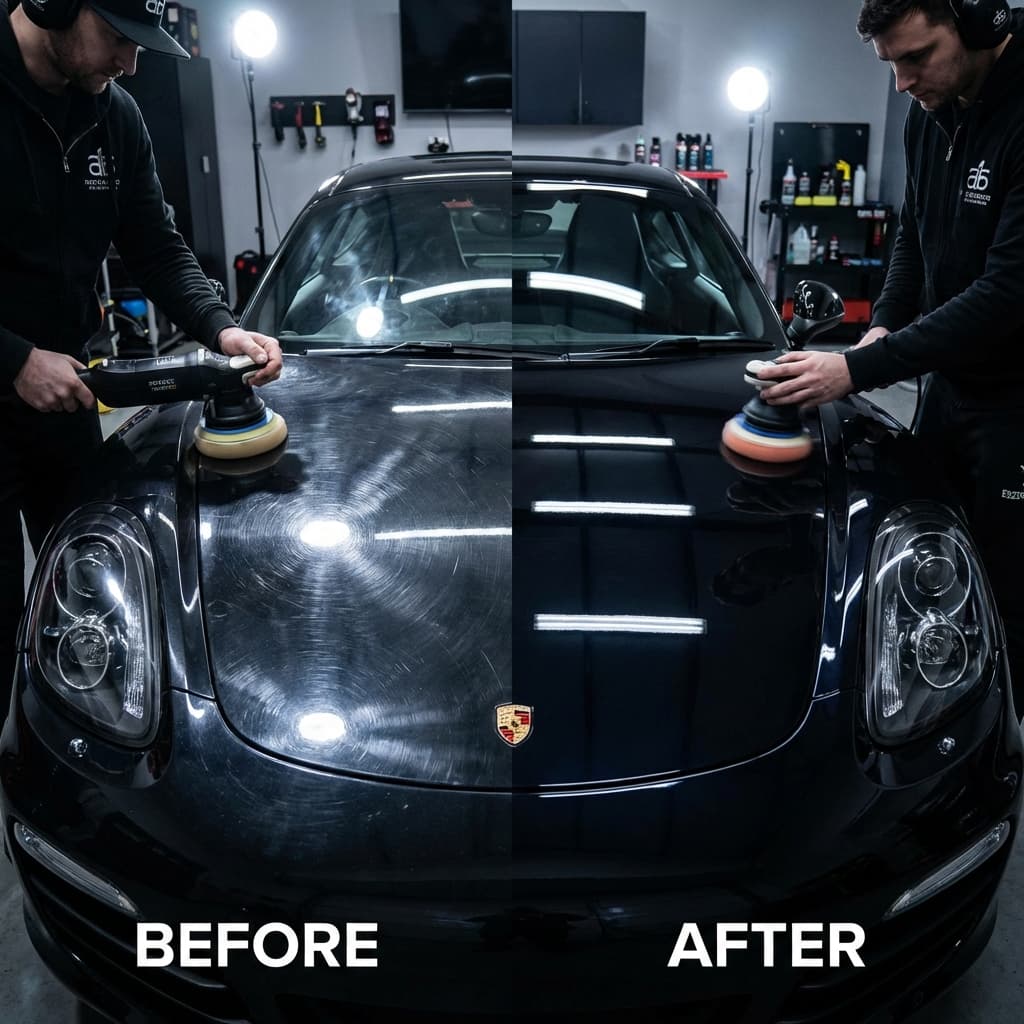
Step 2Use a dual-action polisher and cutting compound. Work in cross-hatch patterns. The abrasive breaks down the edges of the scratch.
Refining (Jeweling)
Step 3Switch to a finishing pad and fine polish to remove the haze left by the cutting step. This restores the mirror gloss.
Protection
Step 4Seal the exposed paint with Ceramic Coating or PPF to prevent future damage.
Prevention is Cheaper than Correction in Calgary
| Method | Cost | Protection Level |
|---|---|---|
| Wax / Sealant | $ | Low (Stops UV only) |
| Ceramic Coating | $$ | Medium (Stops Swirls/Stains) |
| Paint Protection Film (PPF) | $$$ | High (Stops Rocks & Scratches) |
Is Your Paint Too Far Gone?
Bring it in for a free paint inspection. We can tell you exactly what can be polished out and what needs paint work.
Book Paint CorrectionFrequently Asked Questions
Can all scratches be removed?
Can I fix deep scratches at home?
How do I prevent swirl marks when washing?
Experience The Best.
Don't let another commute compromise your vehicle. Get a quote from Calgary's Consumer Choice Award winner today.
Explore Our Services