Clear Bra vs. PPF: The Definitive Guide to Paint Protection in Calgary (2025 Edition)
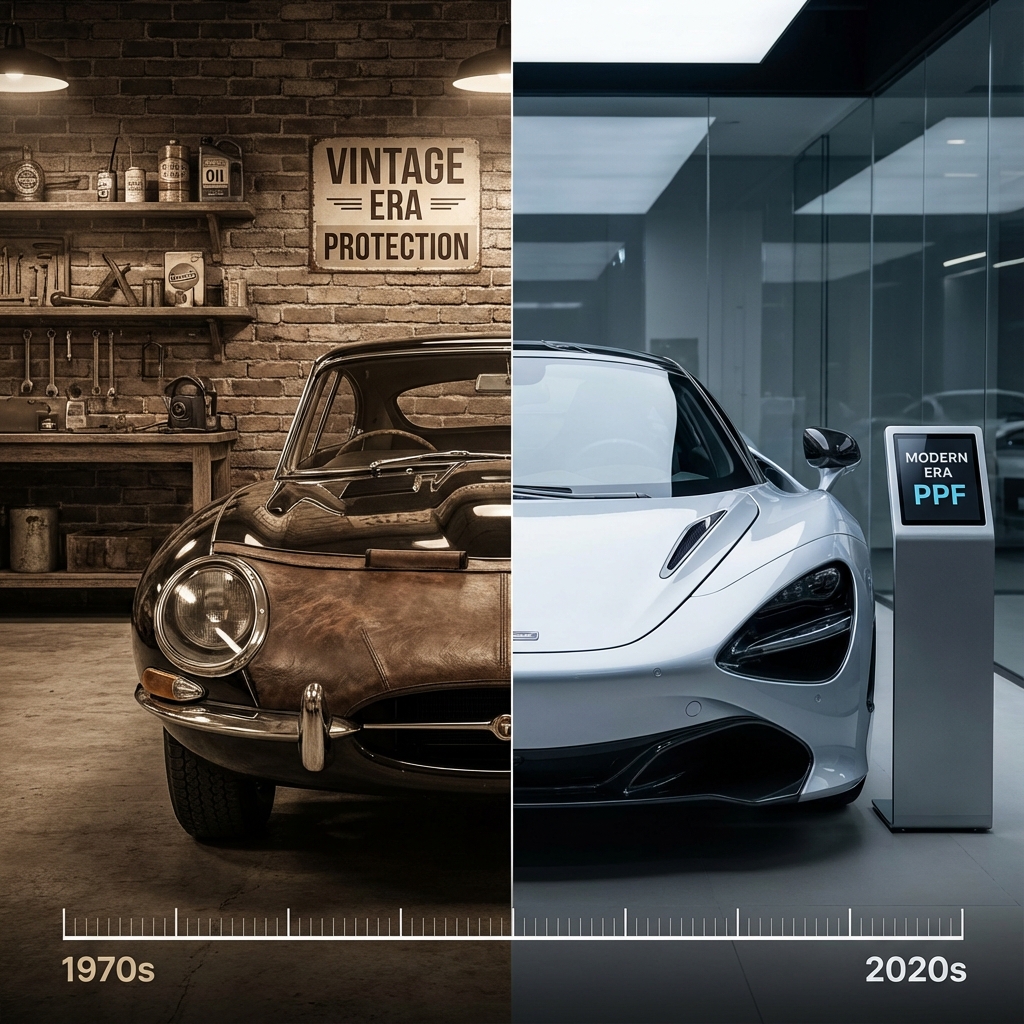
If you've been researching how to protect your vehicle from Calgary's notorious gravel and road salt, you've likely encountered two terms used almost interchangeably: "Clear Bra" and "Paint Protection Film (PPF)". Are they the same thing? Is one better than the other? And why does the industry seem to be moving away from the term "Bra"?
In this comprehensive guide, we'll break down the history, the technology, and the practical differences between the old-school "Clear Bra" and the modern, high-tech Paint Protection Film we install today. Whether you drive a daily commuter or a weekend exotic, understanding this evolution is key to making the right investment for your vehicle.
The Short Answer
Technically, yes. Clear Bra is simply a slang term for Paint Protection Film. However, in the industry, "Clear Bra" often connotes older, 1st-generation technology, while "PPF" refers to the modern, self-healing, multi-layer urethane films used today.
The Evolution of Invisible Protection
To understand why the terminology matters, we have to look at where this technology came from. It didn't start in a detailing shop—it started on the battlefield.
The Military Roots (Vietnam Era)
1960sThe US military needed a way to protect helicopter rotor blades from shrapnel and debris during landing. 3M developed a thick, clear urethane tape—the grandfather of modern PPF.
The "Le Bra" Era (1980s-90s)
1980sCar enthusiasts used black vinyl leather masks ("bras") to protect front ends. While they stopped chips, they trapped moisture and grit, often scratching the paint they were meant to protect.
Clear Bra 1.0 (Early 2000s)
2000sThe technology migrated to automotive. Early "Clear Bras" were thick and protective but suffered from "orange peel" texture and severe yellowing (oxidation) after a year or two.
The PPF Revolution (2011-Present)
TodayXPEL introduced the world's first "self-healing" film. This changed everything. Modern PPF is optically clear, heals scratches with heat, and is virtually invisible.
Why "Clear Bra" Got a Bad Reputation
If you ask a car enthusiast about "Clear Bra" and they wince, it's likely because they remember the early days. The first generation of this technology had three major flaws that modern PPF has solved:
Yellowing
Early adhesives were not UV stable. Sunlight caused the glue to turn yellow, making white cars look like they had "stained teeth."
Cracking
The urethane was hard and brittle. In Calgary's freeze-thaw cycles, old Clear Bra would eventually crack like a dry lakebed.
Orange Peel
The texture was noticeable. It didn't match the smooth gloss of factory paint, making the "invisible" protection very visible.
Modern PPF: The Technology Inside
Today's Paint Protection Film is an engineering marvel. It is typically composed of three distinct microscopic layers, each with a specific job. When we install XPEL Ultimate Plus, we aren't just applying a sticker; we are applying a multi-functional shield.
| Feature | Old School "Clear Bra" | Modern PPF (XPEL) |
|---|---|---|
| Self-Healing Top Coat | No | Yes (Heat Activated) |
| UV Stability | Poor (Yellows) | 10-Year Guarantee |
| Clarity | Visible Texture | Invisible / Glossy |
| Thickness | 6-7 mils | 8-10 mils |
| Installation | Bulk / Razor Cut on Car | DAP Computer Plotter Cut |
| Warranty | 1-3 Years | 10 Years |
What is "Self-Healing"?
This is the "magic" of modern PPF. The top coat is an elastomeric polymer that retains its shape memory. If you get swirl marks from washing or light scratches from a bush:
- Heat Activation: Just parking your car in the sun, pouring hot water on it, or using a heat gun causes the polymers to realign.
- The Result: The scratches literally disappear before your eyes. This keeps the car looking "wet" and glossy for years, not just weeks.
Clear Bra vs. Ceramic Coating: Confusion Cleared
Another common point of confusion in Calgary is the difference between PPF (Clear Bra) and Ceramic Coating. Many people think they do the same thing. They do not.
Paint Protection Film (PPF)
Protection
- Stops Rock Chips
- Prevents Deep Scratches
- Self-Healing Surface
- Not as Hydrophobic as Ceramic
Ceramic Coating
Protection
- Extreme Gloss
- Easy Cleaning (Hydrophobic)
- UV Protection
- Does NOT Stop Rock Chips
"PPF is for the rocks. Ceramic is for the shine. For the ultimate protection, we often apply Ceramic Coating ON TOP of PPF."
Is It Still Worth Getting "Clear Bra" in 2026?
Absolutely—provided you are buying modern PPF. In Calgary, where gravel is used for winter traction instead of just salt, mechanical protection is a necessity, not a luxury.
No liquid coating in the world can stop a rock traveling at 100km/h. Only a physical barrier (PPF) can absorb that energy.
What to Ask Your Installer
To ensure you aren't getting sold old "Clear Bra" stock, ask these three questions before booking:
- "What brand of film do you use?" (Look for XPEL, SunTek, or 3M Pro Series).
- "Do you use a plotter or cut by hand?" (Plotters like our DAP system ensure perfect fitment without razor blades near your paint).
- "Is there a warranty card?" (Legitimate films come with a manufacturer-backed warranty that is valid nationwide).
Conclusion
Whether you call it Clear Bra, Stone Guard, or PPF, the goal is the same: keeping your vehicle's paint pristine. The technology has just finally caught up to the promise.
At Calgary PPF Pros, we exclusively use the latest generation of XPEL Paint Protection Films. We don't do "old school" clear bras that yellow and crack. We provide invisible armor for your investment.
Ready to protect your vehicle? Check our availability and pricing today.
Frequently Asked Questions
Experience The Best.
Don't let another commute compromise your vehicle. Get a quote from Calgary's Consumer Choice Award winner today.