The Real Downsides of PPF: An Honest Guide Before You Buy
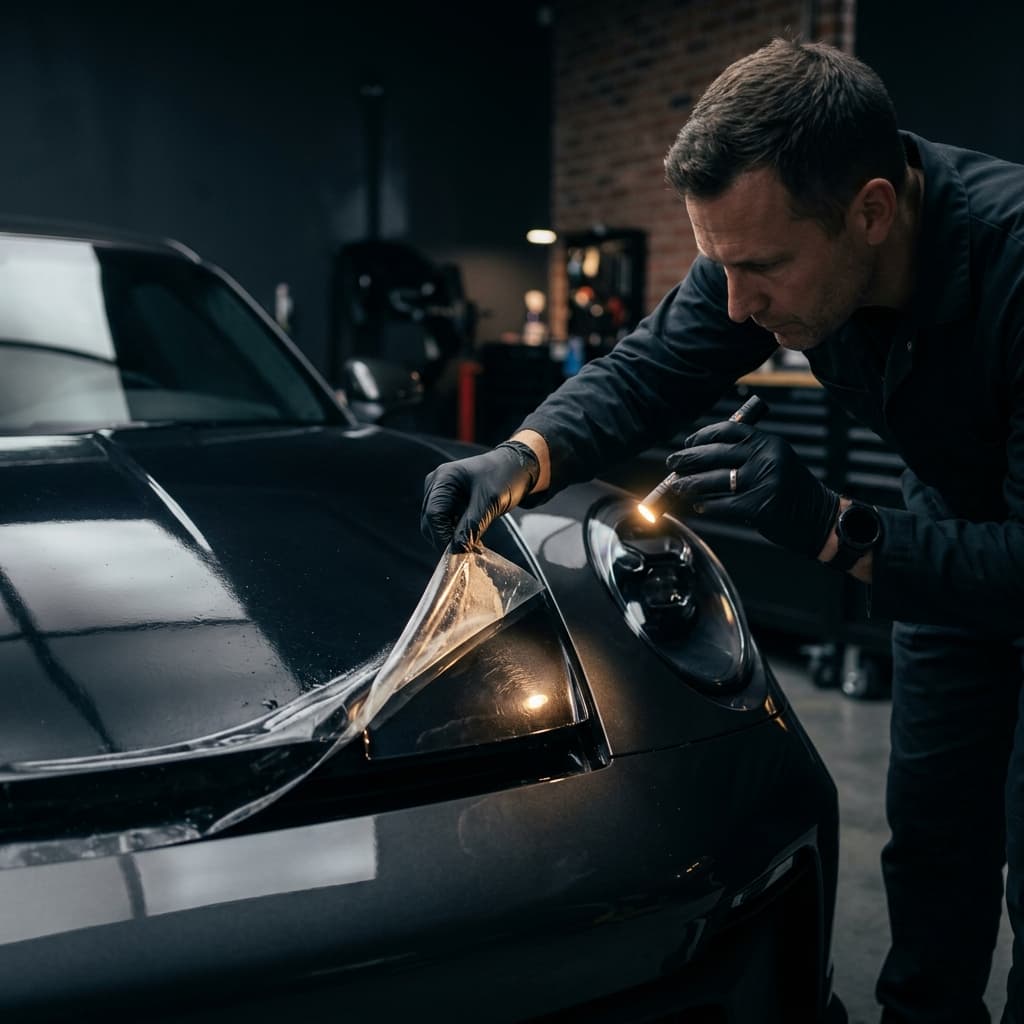
PPF has real downsides: it's expensive, takes time to install, requires specific care, and the film itself eventually wears out. But for Calgary drivers facing gravel roads and harsh winters, the downsides are manageable trade-offs — not dealbreakers. This guide gives you the full picture so you can decide if it's right for your situation.
We could write another article about how amazing PPF is. Instead, let's talk about everything that can go wrong, everything that costs more than expected, and every legitimate reason you might choose not to get it.
The Real Downsides of PPF — Ranked by Impact
1. The Cost — It's Not Cheap
This is the most significant and most legitimate objection to PPF. Quality installation is expensive — period.
| Coverage Package | Price Range (Calgary 2026) | Time to Break Even* |
|---|---|---|
| Partial Front | $900 – $1,800 | 2–3 years |
| Full Front | $1,800 – $3,500 | 3–5 years |
| Full Front + Rockers | $2,500 – $4,500 | 4–6 years |
| Full Body | $5,500 – $9,000+ | 7–10 years |
*Break-even based on avoided rock chip repairs, paint correction, and resale value preservation for average Calgary highway commuter.
When the cost makes PPF not worth it: If you drive a vehicle worth under $15,000, are returning a lease in 12 months, or drive exclusively low-speed city streets with minimal gravel exposure — the ROI calculation often doesn't work in your favour. PPF's value scales with vehicle value and driving conditions.
2. Installation Time — Your Car Is Gone for Days
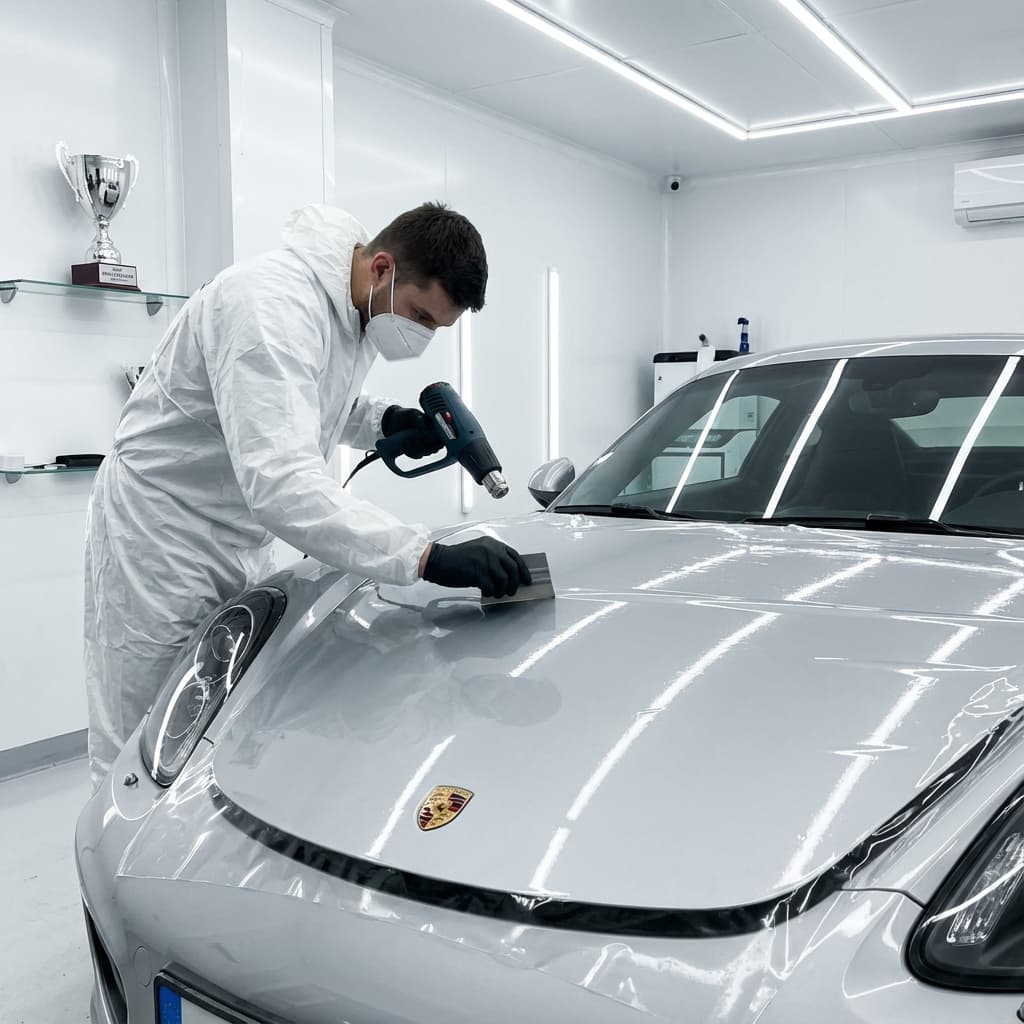
Full body PPF requires removing exterior trim, partial disassembly, and meticulous hand application. Add a 24–48 hour cure period before washing. For most people, this means arranging alternate transportation for 3–4 days — a real inconvenience that costs additional money in rental vehicles or rideshares.
3. Specific Care Requirements
PPF is not zero-maintenance. It requires consistent, correct care to reach its 10-year potential. The restrictions are not dramatic, but they do require behavioural changes:
You CAN Do
- • Touchless car washes (no brushes)
- • Hand wash with pH-neutral soap
- • Apply ceramic coating over PPF
- • Use PPF-safe quick detailer sprays
- • Machine polish (lightly, with PPF-safe compound)
- • Drive through standard rain and snow
You Can't Do
- • Automatic brush car washes (damages edges)
- • Pressure wash directly at film edges
- • Use petroleum-based bug removers on film
- • Apply wax with dyes or colorants
- • Use abrasive compounds not rated for PPF
- • Ignore bird droppings or sap for days
4. Visible Film Lines (On Lower-Quality Installations)
On a certified, quality installation, PPF edges are tucked under panel trim lines — completely invisible. On lower-quality installations, film is cut flush at panel edges, leaving visible film lines that:
- Accumulate dirt and debris in the gap
- Are visually obvious, especially on dark-coloured vehicles
- Serve as lift points where moisture and road salt can work underneath
- Begin lifting and peeling from the edges first
This is one of the main reasons cheap quotes produce poor results. Wrapping edges takes additional time and skill — shortcuts show.
5. The Film Itself Gets Damaged — It's Sacrificial
PPF is designed to absorb damage so your paint doesn't have to. This means the film gets chipped, scratched, and eventually worn. Self-healing handles minor damage, but deep rock chips, significant scratches, or damage from a parking lot incident will require section replacement.
Cost of PPF Section Replacement
| Panel | Replacement Cost |
|---|---|
| Single section (partial bumper) | $200 – $400 |
| Full hood replacement | $400 – $800 |
| Full front bumper | $350 – $700 |
| Full fender (each) | $250 – $500 |
| Full front package redo | $1,800 – $3,200 |
6. Orange Peel on Lower-Quality Film
Budget PPF and older film generations can develop an "orange peel" texture — a slight dimpled surface that diffuses light differently than factory paint. On dark vehicles in direct sunlight, this is visible and reduces gloss depth.
Premium films (our flagship self-healing PPF, 3M Scotchgard Pro, SunTek Ultra) do not have significant orange peel when properly installed. The issue is primarily associated with budget films and older-generation products. If you're quoted for generic or unbranded film, orange peel is a real risk.
7. Not a Substitute for Ceramic Coating (For Everything)
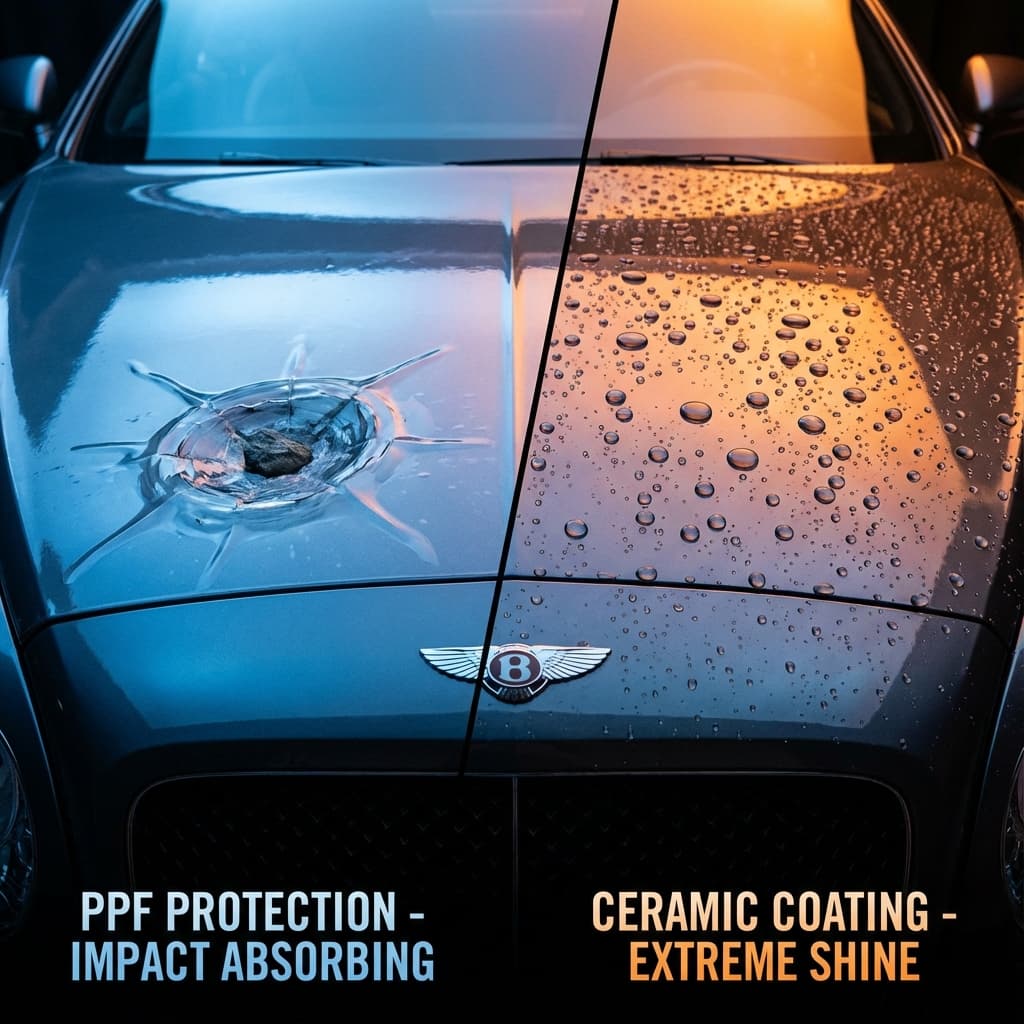
PPF protects against physical damage — it does not provide the same chemical resistance, hydrophobic properties, or UV protection as ceramic coating applied over an unprotected surface. The ideal solution is PPF on high-impact zones plus ceramic coating over the entire vehicle.
Many drivers incorrectly assume that PPF replaces all other protection. It doesn't — it focuses specifically on physical impact resistance. Without ceramic coating on top, PPF is easier to stain from bird droppings and water spots than a ceramic-coated surface.
PPF Downside Severity: Realistic Assessment
How Significant Are These Downsides? (1 = Minor, 10 = Deal-Breaker)
Who Should NOT Get PPF?
PPF is probably not right for you if:
- You're returning a lease in under 18 months — the ROI window is too short for the investment to pay off unless significant damage is likely.
- Your vehicle is worth under $10,000 — the cost of protection approaches or exceeds the vehicle's value depreciation from damage.
- You drive exclusively low-speed city streets under 60km/h with no highway exposure — gravel chip damage at city speeds is minimal.
- You cannot maintain it correctly — if you exclusively use automatic brush car washes and can't change that habit, PPF edges will fail within 2–3 years regardless of quality.
How to Avoid the Worst PPF Downsides
The Pros
- Choose premium PPF, 3M, or SunTek — premium brands eliminate orange peel and yellowing
- Use a certified installer — eliminates visible edges and lifting issues
- Get ceramic coating applied over PPF — eliminates most care restrictions
- Schedule in advance — eliminates the "sudden inconvenience" of installation time
- Start with full front only — most cost-effective entry point to get meaningful ROI
- Ask for a written warranty — eliminates ambiguity about what is covered
The Cons
- Choosing the cheapest quote — almost always results in the worst downsides
- Buying from a dealer at point of sale — typically overpriced, lower-tier film
- Getting full body PPF when you only drive 10km/day — overpaying for coverage you don't need
- Skipping ceramic coating over PPF — makes maintenance harder and reduces lifespan
- Ignoring annual edge inspections — small lifts become large failures that cost more to fix
The Bottom Line: Are the Downsides Worth It?
For a new vehicle being driven on Calgary's highways — yes, definitively. The cost (the biggest downside) is offset by avoided repairs and preserved resale value within 3–5 years. The care requirements are modest with ceramic coating applied over the film. The installation inconvenience is a one-time event.
For an older daily driver worth under $15,000 that will be sold in 2 years — probably not. The math works against you. Use that money on paint correction and ceramic coating instead.
Not Sure If PPF Is Right for You?
We'll give you a straight answer — even if it means recommending against a full PPF installation. Book a free consultation and we'll assess your vehicle, driving habits, and budget to recommend the protection that actually makes sense for your situation.
Book Free ConsultationFrequently Asked Questions
Experience The Best.
Don't let another commute compromise your vehicle. Get a quote from Calgary's Consumer Choice Award winner today.
Explore Our Services