Back to Intelligence

Protect a New Car From Rock Chips in Calgary (2026)

By Mostafa
Jun 13, 2026
Share:
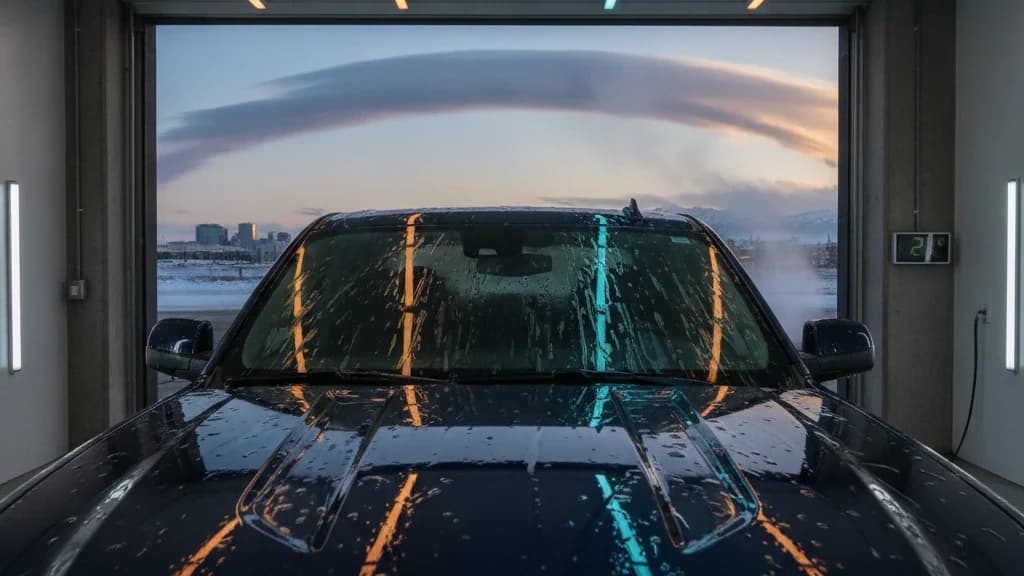
Front end of a new car with clear paint protection film on the hood and bumper driving through gravel spray on a Calgary highway, rock chip protection 2026 guide
TL;DR — Quick Answer

The only thing that actually stops rock chips on a new car in Calgary is paint protection film (PPF) — a clear urethane layer that absorbs gravel impacts before they reach your paint. For a daily driver on Deerfoot or Stoney Trail, full-front PPF (full hood, fenders, bumper, mirrors, A-pillars; ~$1,499–2,499) is the standard; a partial-front clear bra (~$899–1,399) is the budget option that protects the leading edges only. Ceramic coating, wax, and rock-chip sprays do NOT stop chips — they add gloss and easy cleaning, but have effectively zero impact resistance against a stone at 100 km/h. The single most important rule for a new-car owner: book PPF within the first 1,000 km, because that's roughly when a bare Calgary commuter starts collecting its first chips — and film can't undo damage that's already there. Calgary's high-speed gravel-strewn highways, heavy winter sanding, and spring chip-seal season make it one of the harshest paint environments in Canada, which is why the do-nothing cost ($600–1,200 bumper respray, plus resale loss) usually exceeds the cost of protecting it.

You just picked up a new car, the paint is flawless, and the first thing the salesperson didn't tell you is that Calgary roads are about to start chipping it. We get the call constantly: a brand-new vehicle arrives in our bay with a fresh chip on the leading bumper edge before it has 1,000 km on it, the owner asking whether it's too late to protect the rest. This guide is the straight version of what we tell every new-car owner — why Calgary is so brutal on new paint, the protection options ranked honestly (including which ones are marketing), what to do in the first two weeks of ownership, and the real cost math versus a repaint.

From Our Calgary Bay

A meaningful share of our full-front PPF jobs come from new-car owners who waited "a few months to see how it goes" — and by the time they book, the bumper and leading hood edge already carry a handful of chips we have to photograph and document before we wrap the panel, because PPF locks existing damage in place. The owners who get the cleanest outcome are the ones who treat the PPF appointment as part of the delivery process: take the car home, decline the dealer's add-on package, and bring it to us inside the first couple of weeks while the paint is still genuinely untouched. That's the difference between protecting factory paint and protecting paint that's already started its slow decline.

Reviewed by Calgary PPF Pros — Consumer Choice Award winner, protecting Calgary vehicles since 2021.

Why Calgary Is Canada's Rock-Chip Capital

Calgary punishes new paint harder than almost anywhere else in the country, and it comes down to a specific combination of roads and seasons rather than bad luck. The energy of a rock chip scales with the square of impact speed, so the city's high-speed ring roads turn ordinary gravel into clear-coat-cracking projectiles — and then winter sanding and spring chip-seal keep the supply of loose stone topped up for most of the year.

1

Deerfoot & Stoney Trail — high-speed strike energy

Deerfoot Trail and Stoney Trail are 100–110 km/h arteries that funnel most of the city's commuter traffic. A stone kicked up by the vehicle ahead at 110 km/h hits your bumper with roughly four times the energy of the same stone at 55 km/h — more than enough to fracture clear coat on contact. Tailgating, construction lane shifts, and gravel-truck routes make these two roads the source of the majority of front-end chips we see.

2

Winter traction sanding — months of loose grit

Calgary spreads tens of thousands of tonnes of sand-and-gravel traction material across its roads every winter to fight ice. Unlike snow, that grit doesn't melt away — it sits on lanes, shoulders, and merge ramps through every Chinook thaw, getting flung up by traffic for weeks at a time. Winter is not a break from chip season in Calgary; it's a different flavour of it.

3

Gravel season & chip-seal (late March–May)

Each spring, road crews chip-seal surfaces and the City runs its annual street sweep to clear winter gravel — but the windrows of loose stone sit on the road for weeks before the sweep reaches every neighbourhood. This is the single worst window of the year for new paint, and it's exactly when a lot of new vehicles are being delivered and driven hard.

~1,000 km
First Chip Threshold
100–110 km/h
Highway Strike Speed
Mar–May
Worst Window
Near 100%
PPF Chip Defence

The Do-Nothing Cost: What Chips Do to a New Car

The case for protection is really the case against the alternative. A rock chip isn't cosmetic-only — it's a breach in the clear coat that exposes the colour layer and, eventually, bare metal to Calgary's road-salt brine, which is how a cluster of chips turns into rust blistering. And every visible chip and touch-up dab is a line item a sharp buyer or lease inspector uses to mark your vehicle down. Here's the real Calgary cost of letting it happen versus preventing it.

OutcomeWhat It Looks LikeCalgary 2026 CostResale Impact
Single chip touch-upOne stone strike filled with touch-up paint$50–150 eachVisible dab; minor on its own
Accumulated front-end chipping15–40 chips across bumper + leading hood by year 2DIY hours, or living with itReads as "driven hard"
Front bumper resprayRepaint to fix accumulated chipping$600–1,200Disclosed repaint lowers value
Full front-clip repaintHood + fenders + bumper repainted$2,500–4,500Significant — repainted panels flagged
Chip-to-rust on a salt-exposed panelRust blistering from clear-coat breach$800–2,000+ to repairMajor — structural concern to buyers

Pricing reflects 2026 Calgary independent body-shop and detail-shop averages. For the broader economics of chip repair versus prevention, see our predecessor guide on how to protect your car from rock chips.

Protection Options, Ranked Honestly

There is a lot of marketing in this category, so here's the honest ranking by actual impact resistance — the only metric that matters for stopping a chip. The short version: paint protection film is the only product that physically stops rock chips. Everything below it either reduces a different kind of damage or does effectively nothing against gravel.

OptionStops Rock Chips?What It Actually DoesCalgary CostVerdict for a New Car
Full-front PPFYes — near 100% on covered panelsUrethane film absorbs impact; self-heals light scuffs$1,499–2,499Best — covers the real strike map
Partial-front PPF (clear bra)Yes — on leading edges onlyProtects bumper + lower hood/fenders; upper hood exposed$899–1,399Good budget option; upper hood at risk
Ceramic coatingNoGloss, hydrophobics, easy wash, chemical resistance$799–1,499Great companion to PPF, not a substitute
Wax / sealantNoTemporary gloss + water beading$30–150Zero chip protection
"Rock chip spray" / DIY film braMarginal / unreliableThin DIY film; poor fit, lifting edges, no warranty$50–250Not worth it on a new car
Do nothing + touch-upNoFills chips after the fact; never factory finish$50–150 per chipLosing trade on Calgary roads

The most important myth to retire is the ceramic-coating one. We hear it weekly: an owner believes their $1,000 ceramic package is protecting against chips. It isn't — a ceramic-coated hood fractures on a Deerfoot stone exactly like a bare one, because a 1–3 micron glass layer has no give. Ceramic is a genuinely good product for water spots, bug acid, and easy washing, and it pairs beautifully on top of PPF — but it is not impact protection. If a quote bundles "ceramic for rock chip protection," that's the line to question. Our full breakdown of the coverage logic lives in our Calgary rock chip protection service page.

The Pros

  • Full-front PPF stops rock chips on the panels that take 90%+ of Calgary highway strikes
  • Modern PPF (XPEL Ultimate Plus, 3M Pro Series, SunTek Reaction) self-heals light scuffs and carries a 10-year manufacturer warranty
  • Film is removable without damaging the paint — factory-original finish underneath at trade-in or lease-end
  • Computer-cut patterns mean no blades touch your new paint during install
  • Pairs with ceramic over the film for the easy-wash, gloss benefit ceramic does well

The Cons

  • Relying on ceramic coating or wax for chip protection — zero impact resistance against gravel
  • Dealer-desk "protection packages" — often overpriced sealants or low-grade film, not measured full-front PPF
  • DIY film bras / rock-chip sprays — lifting edges, poor fit, no warranty, can look worse than bare paint
  • Waiting "a few months to see how it goes" — PPF locks in any chips already there; it can't undo them
  • Cheap mobile/outdoor installs in Calgary winter — adhesion risk; insist on a climate-controlled bay

Which Zones to Protect (and What It Costs)

PPF coverage is defined around the real-world strike map of a Calgary highway commuter, not random panels. The leading, vertical-facing surfaces take the overwhelming majority of hits; the further back and lower the risk, the more optional the coverage. Here's how the common packages map to where chips actually land, in priority order.

ZoneStrike ExposureCoverage PackageAdd-On Cost (CAD)
Front bumper (lower fascia)Highest — catches stones from the car aheadIncluded in partial + full frontBase
Leading hood edge (18–24")Very high — first horizontal surfaceIncluded in partial frontBase
Full hoodHigh on highway runsFull front only+$400–800
Full fendersHigh behind the wheelsFull front only+$200–400
Side mirrorsHigh — leading-facingFull front (often partial too)+$100–200
A-pillars + roof leading edgeModerate–high at highway speedFull front add-on+$250–450
WindshieldVery high — but glass, not paintSeparate windshield filmQuoted separately

For most new Calgary daily drivers, the sweet spot is full-front PPF: full hood, full fenders, bumper, mirrors, and A-pillars. It maps cleanly to the highway strike pattern and means you stop documenting chips entirely on the front of the car. If budget is tight, a partial front covers the leading edges that take the worst hits and can be upgraded later — though re-doing a partial into a full front costs more than doing it right the first time. We walk through the full-versus-partial decision in detail on our Calgary paint protection film packages page, and the windshield-chip question on Deerfoot specifically is its own topic worth understanding before a mountain or commuter run.

New Car? Do This in the First Two Weeks

The single biggest factor in how well PPF protects your new car is how early it goes on. Film prevents future chips; it cannot reverse chips already in the paint. Here's the sequence we recommend to every new-car owner from the moment they drive off the lot.

1

At delivery — decline the dealer add-on

Day 0

Skip the finance-desk "paint protection package." It is usually a marked-up sealant or low-grade film, not measured full-front PPF. Take the car as-is and keep the surface clean for a dedicated installer.

2

Book a dedicated PPF studio

Day 0–3

Reserve your install slot immediately — Calgary PPF bays fill 2–4 weeks out in spring. Get the film brand and coverage map in writing. Aim for an appointment inside the first 1,000 km.

3

Drive defensively until install day

Until appointment

Avoid tailgating on Deerfoot and Stoney, leave extra following distance behind gravel trucks, and keep out of fresh chip-seal lanes. Every km of bare highway is exposure you can't take back.

4

Do NOT wax, seal, or ceramic before install

72 hrs before

Any sealant, wax, or ceramic applied in the 72 hours before PPF contaminates the bonding surface and forces a full decontamination pass. Leave the paint bare for the installer.

5

PPF install in a climate-controlled bay

Install day

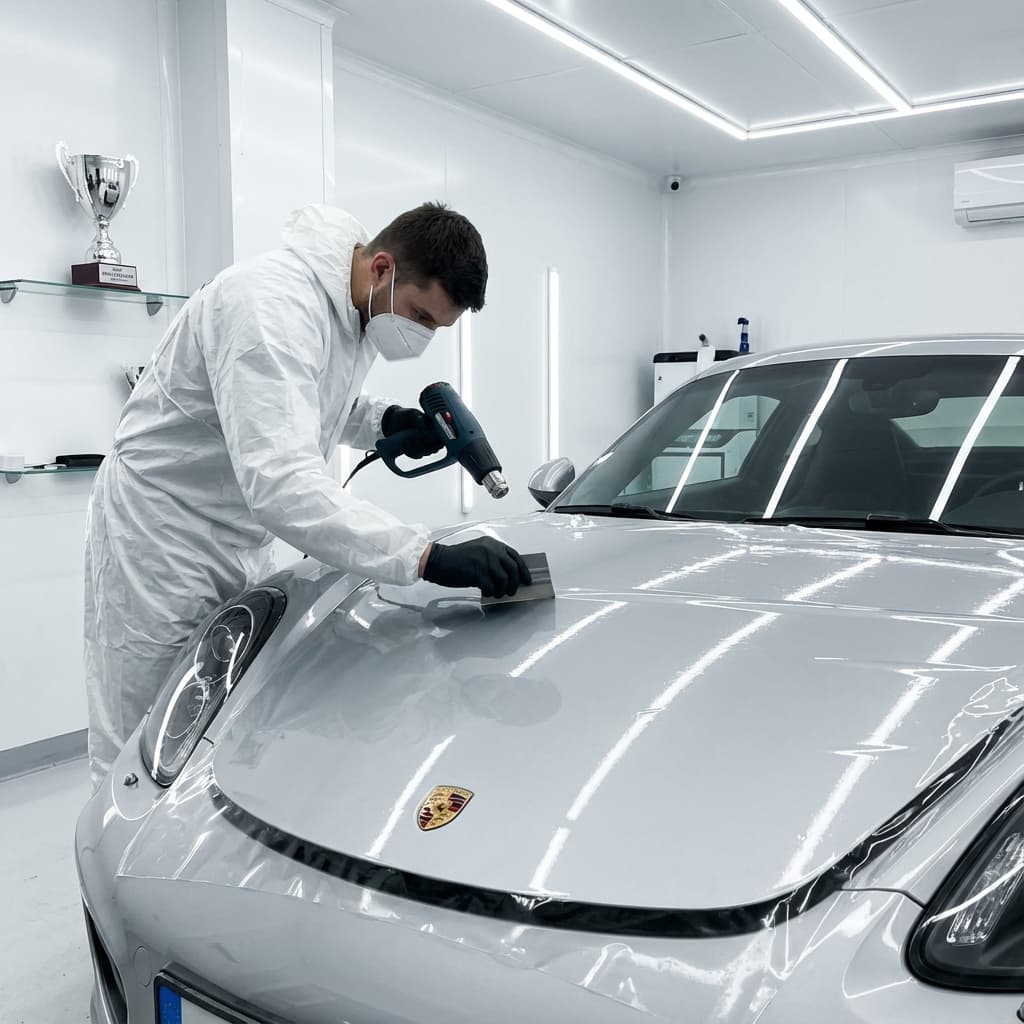
Computer-cut film is applied at 18–22°C — no blades on your paint. Full-front typically takes most of a day. Insist on an indoor, climate-controlled install, especially in winter.

6

Respect the 30-day cure window

First 30 days

No automatic brush washes, minimize edge contact (gas pumps, snow scrapers), and use pH-neutral hand or touchless washing for the first 30 days while the film fully bonds.

The 1,000 km rule, in plain terms

In our experience a bare new car on Calgary roads starts collecting its first measurable chips around the 1,000 km mark — sometimes a single Airdrie or Okotoks round-trip is enough on a fresh bumper. If you can get PPF on before that threshold, you protect genuinely factory-original paint. After it, we're protecting paint that already has a head start on wear. Either way, earlier is always better than later.

Maintenance That Keeps Chips Away

PPF does the heavy lifting, but a few habits keep both the film and the surrounding paint in top shape through Calgary's seasons — and protect the panels film doesn't cover.

  1. Leave following distance on the ring roads. The further you sit behind the car ahead on Deerfoot and Stoney, the fewer stones reach your bumper. Most front-end chips are kicked up by the vehicle immediately in front of you.
  2. Avoid fresh chip-seal and gravel windrows. During the March–May sweep window, give freshly sealed lanes and shoulder gravel a wide berth — that's where the loosest, sharpest stone lives.
  3. Wash off winter brine promptly. Magnesium-chloride road brine accelerates rust at any chip breach. A regular pH-neutral wash through winter protects both the film edges and any uncovered paint.
  4. Hand or touchless wash the film. Skip automatic brush washes, which can lift film edges over time. Touchless or two-bucket hand washing keeps PPF edges sealed.
  5. Inspect film edges seasonally. Check the hood and bumper edges a couple of times a year; minor lifting is an easy fix if caught early, and reputable film carries a 10-year warranty against yellowing and delamination.
  6. Touch up any uncovered-panel chips early. For panels outside the PPF map, fill chips with touch-up paint promptly to stop salt-driven rust before it starts.

The Bottom Line for a New Calgary Car

Calgary's high-speed gravel-strewn highways, months of winter sanding, and spring chip-seal make it one of the hardest places in Canada to keep new paint pristine. Paint protection film is the only product that physically stops the chips — ceramic, wax, and sprays solve different problems. For a daily driver, full-front PPF maps to where the damage actually lands; a partial front is the honest budget option. The decisive variable is timing: get the film on inside the first 1,000 km, decline the dealer's add-on, and don't let "I'll wait and see" cost you the factory finish you paid for. The do-nothing cost — a $600–1,200 bumper respray plus the resale hit of disclosed repaints — usually exceeds the cost of protecting the car in the first place.

Calgary PPF Pros — New Car Protection

Protect Your New Car Before the First Chip

Free 15-minute consultation. We'll map your driving pattern and recommend the right coverage — from Calgary rock chip protection on the leading edges to a full-front paint protection film package that maps to the real Deerfoot and Stoney strike zones. Computer-cut film, climate-controlled bay, 10-year manufacturer-backed warranty. Get it on inside your first 1,000 km and keep your factory finish factory-fresh.

Frequently Asked Questions

Award Winning Service

Experience The Best.

Don't let another commute compromise your vehicle. Get a quote from Calgary's Consumer Choice Award winner today.

Explore Our Services

Calgary's Premier PPF Studio Location

Come See The
Difference.

Our climate-controlled facility is purpose-built for precision application. Stop by, meet the team, and inspect our work in person.

Visit The Lab

#2 - 239 61 Ave SE
Calgary, AB T2H 0R4

Serving Calgary & Area:

Airdrie | Cochrane | Okotoks | Chestermere | High River

Get Directions

Direct Line

Speak directly to an installer, not a receptionist.

(403) 830-3311

Hours

Sat - Thu9am - 5pm
FridayClosed

Mainly by appointment for service. No walk-ins, but same-day service is sometimes available.

"I was hesitant about who to trust with my new Corvette. The team at PPF Pros explained everything, showed me their shop, and the result was absolutely flawless."
J
James T.
C8 Corvette Owner
5.0
Google Rating
Mainly By Appointment