Undercoating Calgary: Oil vs Rubber (2026)
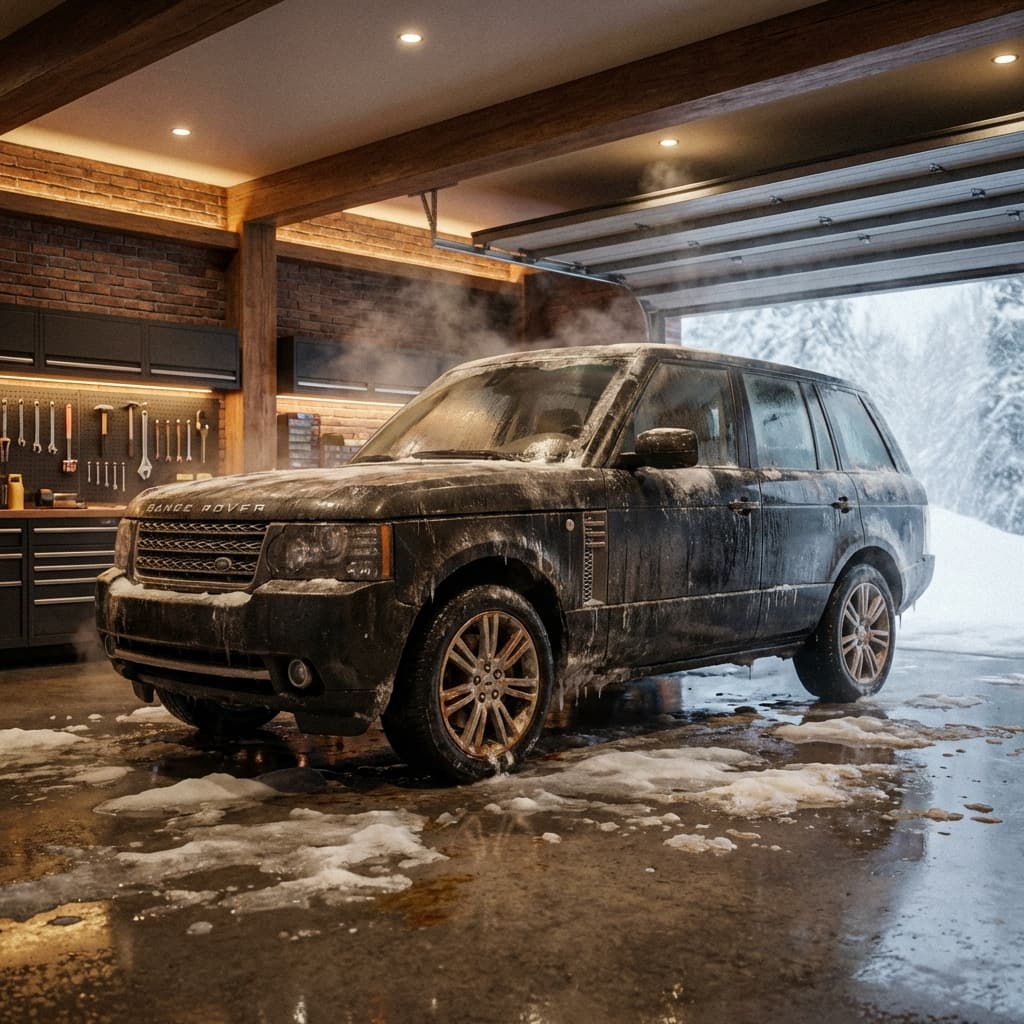
For Calgary's salt-and-gravel winters, no single undercoating wins outright: rubberized (asphalt) coating stands up well to gravel abrasion but barely penetrates seams, while oil-based sprays do the reverse — they creep into seams and cavities but wear off exposed surfaces. The best protection is a hybrid—durable rubberized coating on high-impact wheel wells plus creeping oil or cavity wax inside doors and frame rails. On vehicles that already have rust, skip rubber entirely and use oil-based spray, since rubber just seals moisture against the metal.
Walk into three different shops in Calgary, and you will get three different answers on what to spray on your truck. Some say Oil is king. Others swear by Rubber. Here is the scientific breakdown of the three main technologies.
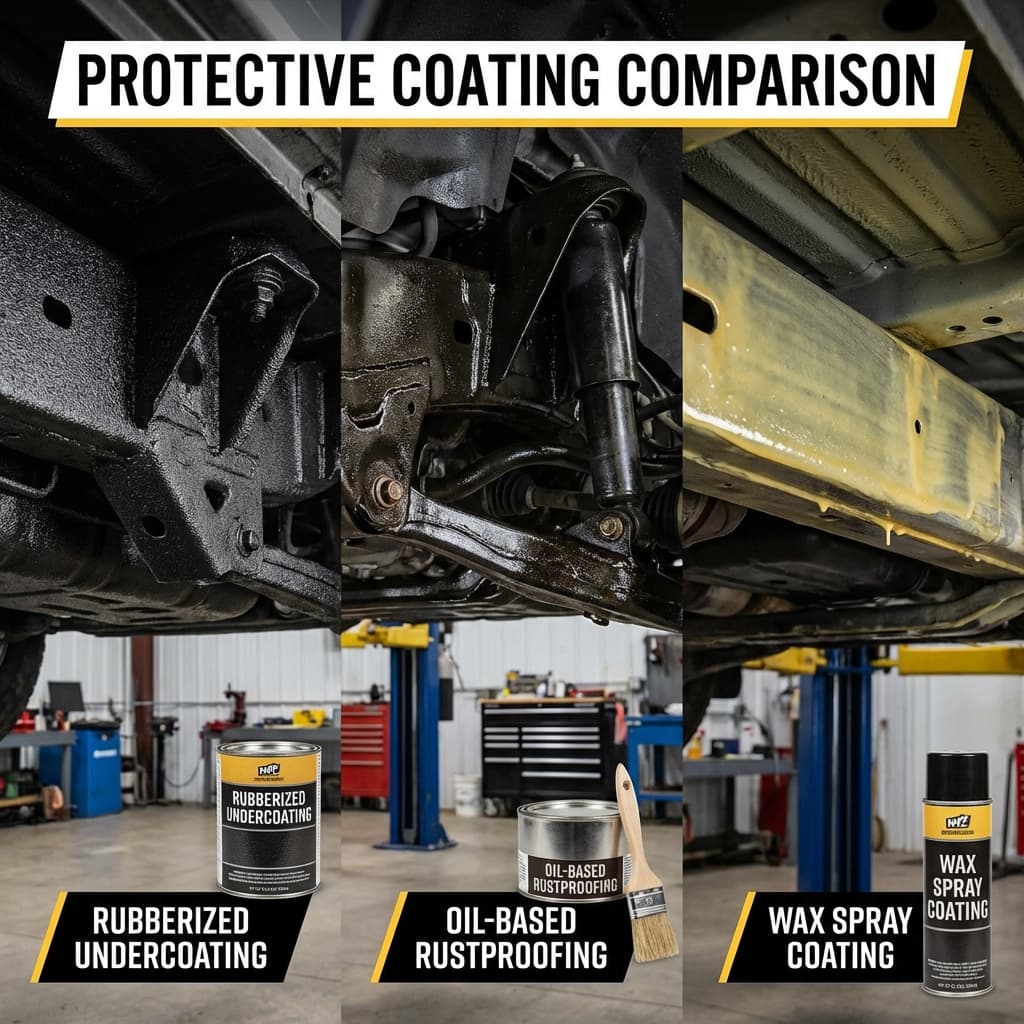
1. Asphalt/Rubberized Undercoating in Calgary
This is the black, textured stuff often sold by dealerships. It looks great and reduces road noise.
The Pros
- Extremely durable against gravel abrasion
- Significant sound deadening properties
- Looks clean (matte black finish)
The Cons
- Can crack over time (allowing moisture behind)
- Difficult to inspect the metal underneath
- Cannot penetrate deep seams
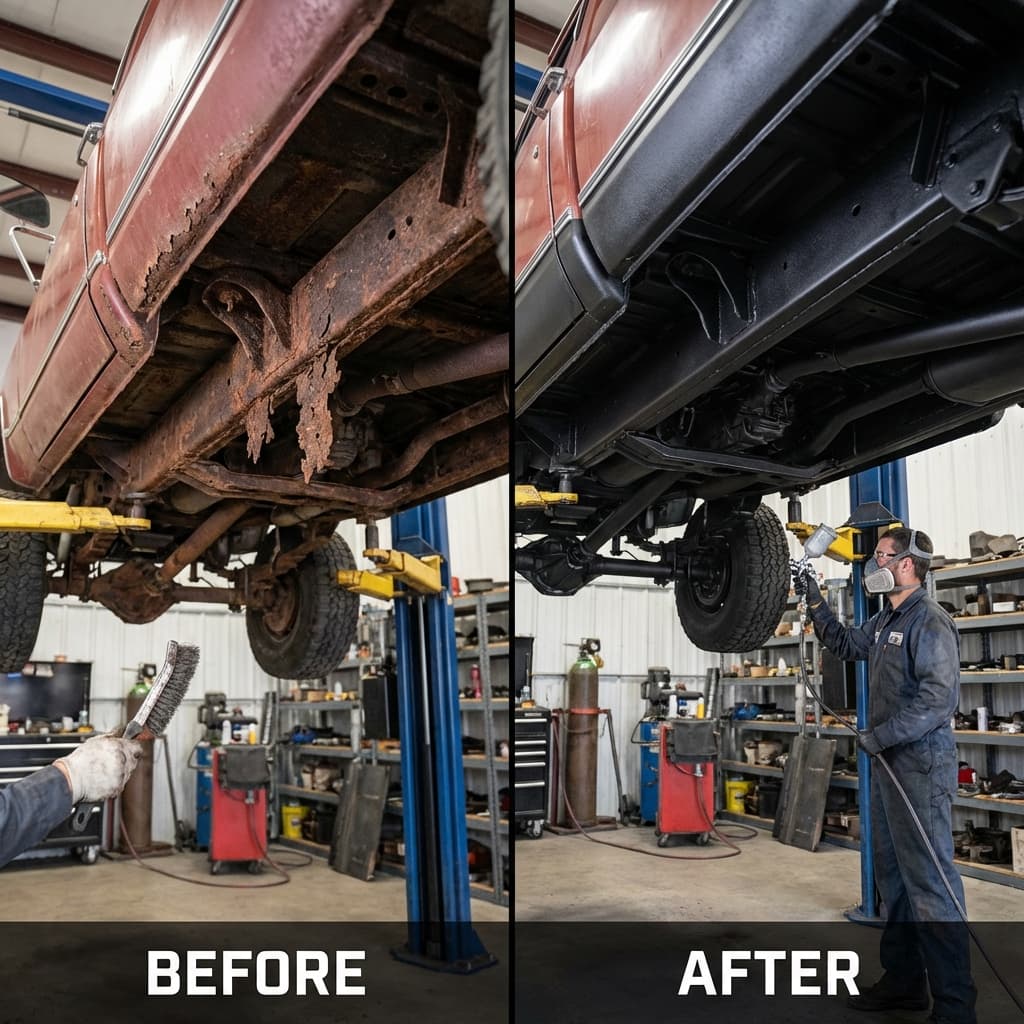
When a truck comes in on a hoist that's had hard rubberized coating for a few Calgary winters, I almost always find the worst rust hiding behind the prettiest-looking panels. The coating cracks where it flexes near the wheel wells, road brine wicks in through that hairline gap, and then it can't evaporate—so the frame quietly rots under a seal that still looks intact from below. That's exactly why I push the hybrid approach here: tough coating only where the gravel actually hits, and creeping oil inside the seams where our chloride brine loves to start.
Reviewed by Mostafa — Calgary PPF Pros, protecting Calgary vehicles since 2021.
2. Oil-Based Rust Sprays for Calgary Roads
These are thin, fluid inhibitors. They don't "dry." They stay wet and creep into crevices.
The Pros
- Creeps into spot welds and seams where rust starts
- Cannot crack or peel
- Cheaper annual application
The Cons
- Washes off easily in wheel wells (high spray areas)
- Can drip on driveways (depending on brand)
- Needs to be reapplied every single year
3. Cavity Wax Protection
An amber-colored, semi-solid wax used by manufacturers like Porsche and VW inside frame rails.
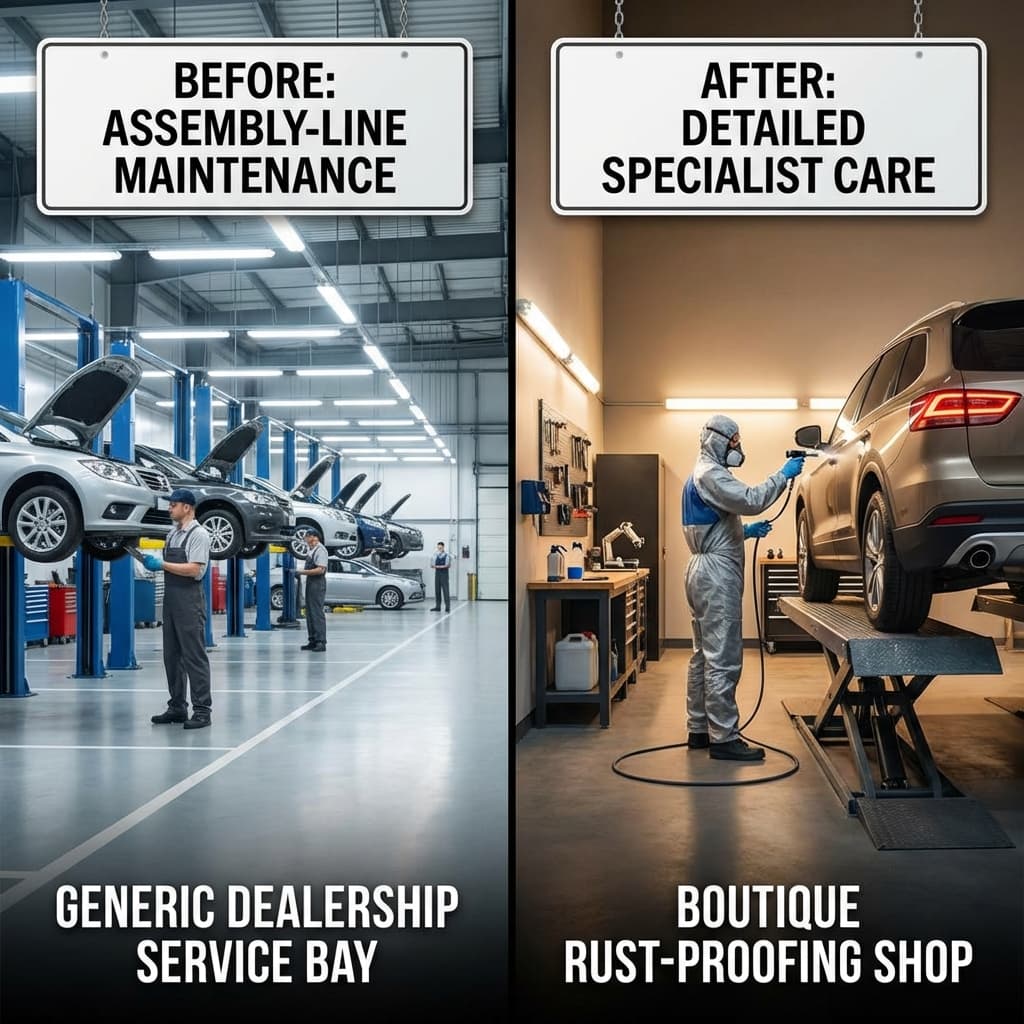
The Calgary PPF Pros Hybrid Strategy: We believe no single product is perfect. Our Full Defense package uses Rubberized coating on high-impact areas (wheel wells) for durability, and Cavity Wax/Oil inside the doors and frame rails for creeping protection. Best of both worlds.
Rubberized vs Oil-Based: How They Differ
| Rubberized coating | Oil-based spray | |
|---|---|---|
| Gravel and abrasion resistance | High — a thick layer that stands up to gravel | Low — a thin film that wears off exposed areas |
| Seam and cavity penetration | Low — sits on the surface | High — creeps into seams and cavities |
| Best used on | Wheel wells and other high-impact areas | Inside doors, frame rails and seams; vehicles with existing rust |
| Re-application | Inspect yearly | Yearly |
Which Undercoating Should You Choose in Calgary?
New Trucks/SUVs: You need the Hybrid approach. Protect the frame from rocks with Rubber/Asphalt, and seal the internal cavities with Wax.
Used/Rusty Vehicles: Avoid Rubberized. If rust is already present, you must use Oil-based sprays to soak into the rust and slow it down. Rubber will just seal the moisture in.
Frequently Asked Questions
Does rubberized undercoating trap moisture?
Is oil spray messy?
How much does professional undercoating cost in Calgary?
Experience The Best.
Don't let another commute compromise your vehicle. Get a quote from Calgary's Consumer Choice Award winner today.
Explore Our Services