Can You Get PPF Installed in Calgary Winter? (The Honest Answer)
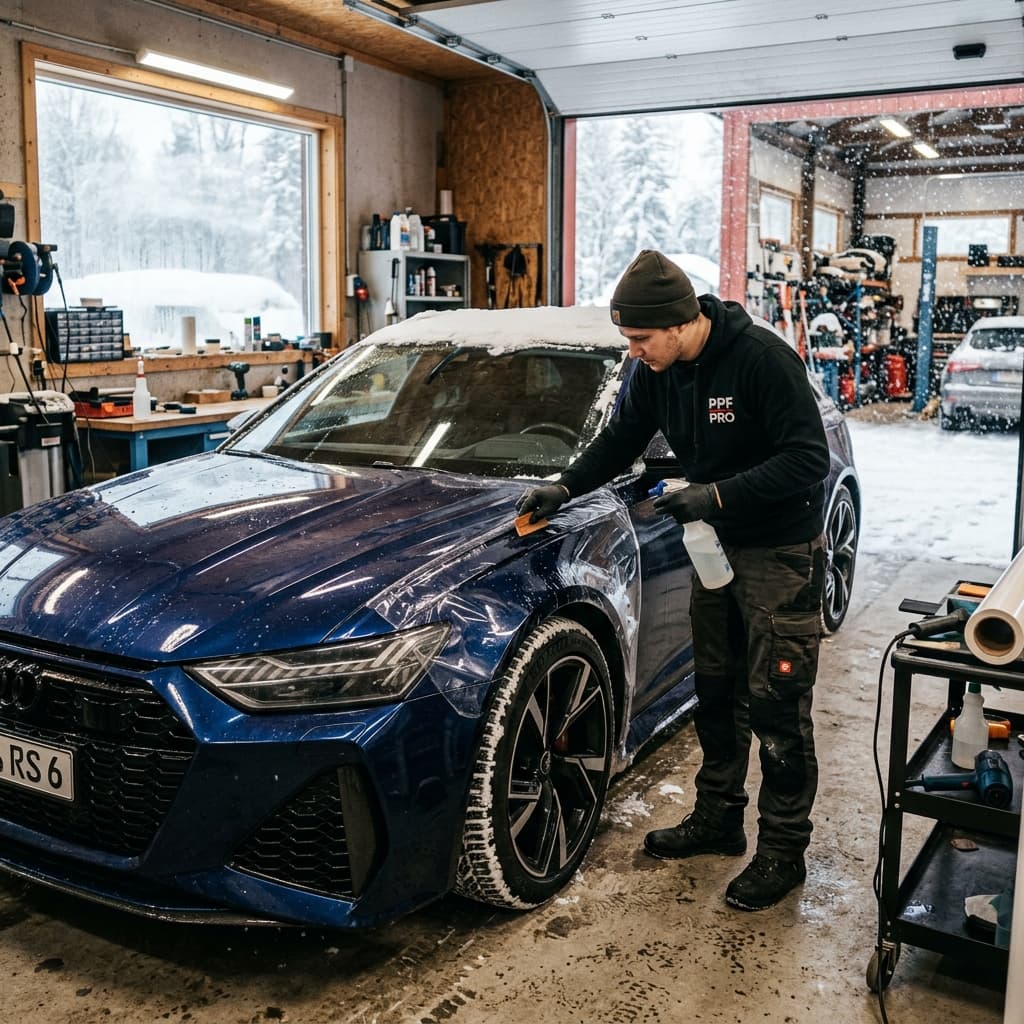
Yes, PPF can absolutely be installed in Calgary winter. Our shop is climate-controlled year-round — outdoor temperature is irrelevant. Winter is actually a good time to book: shorter wait times, faster appointments, and no summer rush. Don't wait for spring while your unprotected paint takes a winter of chip damage. For a full breakdown of every month's pros and cons, see our 2026 PPF booking calendar for Calgary drivers.
"I'll wait until spring to get PPF." We hear this every November. Here's why it's the wrong call — and exactly what changes (and what doesn't) when we install PPF in a Calgary winter.
Customers ask us all winter whether PPF can even be installed in Calgary's cold — and the answer from our bay is yes, because we work in a heated, controlled space, not outdoors. What we will not do is rush a cold, contaminated panel; proper surface temperature and a clean install are exactly what keep film from lifting once it faces a season of road salt and freeze-thaw.
Reviewed by Calgary PPF Pros — Calgary PPF Pros, protecting Calgary vehicles since 2021.
The Short Answer: Yes, Winter PPF Works Fine
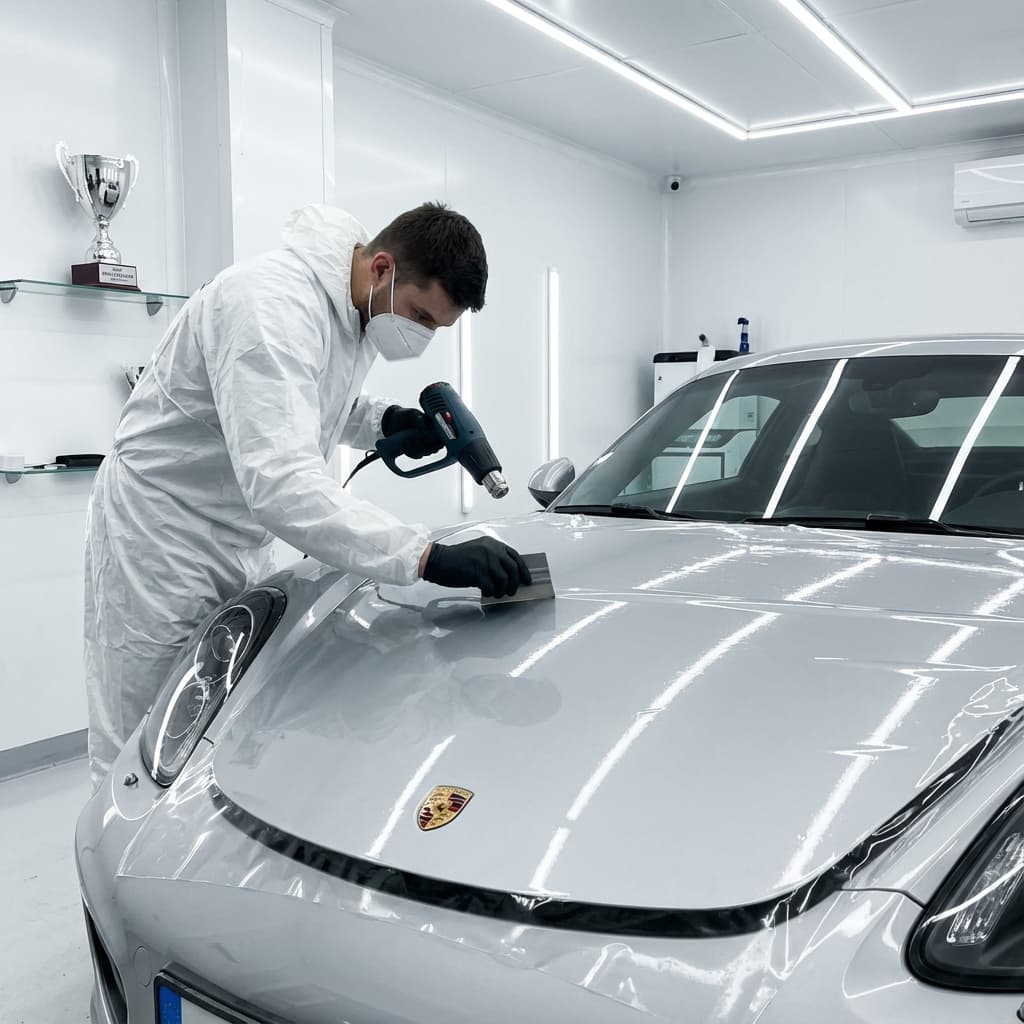
Paint protection film installation is a temperature-sensitive process — but it's the temperature inside the installation space that matters, not the temperature outside. PPF film and adhesive have specific working temperature requirements, and those requirements are met in any professional, climate-controlled shop. Once the film is on, though, the outside temperature does matter over time: PPF adhesive stress from Calgary chinook swings is what turns a marginally installed edge into a visibly lifting one two winters in.
Our Calgary shop maintains a minimum of 18–21°C during all installations, year-round. Whether it's -30°C outside with a Chinook warning or +25°C in July, the film installation environment inside is identical. The adhesive activates correctly, the film stretches and conforms to panel curves without issue, and the finished result is the same quality you'd get in any other month.
What the Cold Actually Affects (And What It Doesn't)
NOT Affected: Film Application Quality
The installation itself — stretching, trimming, squeegee work, edge wrapping — is done in our heated shop. The result is indistinguishable from a July installation.
NOT Affected: PPF Performance Once Cured
A fully cured PPF film performs identically regardless of the season it was installed. Our flagship self-healing PPF is rated to -40°C once cured — well within Calgary winter specs.
NOT Affected: Warranty
The lifetime warranty on our film applies equally to winter installations. Installation season is not a warranty condition.
SLIGHTLY Affected: Adhesive Cure Time (If Parked Outside)
If the vehicle is parked outdoors in sub-zero temperatures immediately after installation, adhesive cure slows. We recommend keeping the vehicle in a heated garage for at least 72 hours post-install. If you park outside regularly, allow 2–4 weeks before washing the vehicle or flexing edges. If you notice anything unusual during the cure window — small bubbles, edge lifting, or haziness — our PPF troubleshooting guide explains exactly what's normal and what warrants a follow-up inspection.
One Legitimate Pre-Install Consideration: Road Salt
There is one genuine winter-specific note: Calgary roads are heavily salted from October through March. Before any PPF installation, we perform a thorough decontamination wash — but if your vehicle has been driving on salted winter roads, there can be salt spray in areas that are hard to reach (door jambs, lower rocker seams, bumper crevices).
Our pre-installation protocol includes a full decontamination wash specifically designed to remove road salt residue. We strongly recommend not bringing your car straight from a salt-covered highway — a basic rinse before drop-off helps. We'll do the detailed decon work, but starting cleaner speeds up the process. For a full walkthrough of everything that should happen before film goes on, our guide on how to prepare your car for PPF installation covers the complete pre-install checklist.
Why Winter Is Actually a Smart Time to Book
If fall was the ideal window you missed, winter is the next best option — and still significantly better than waiting. For those who plan ahead, the fall car protection checklist outlines exactly why September and October are the optimal booking months and how to sequence each service before salt season begins. Snowbirds have an even tighter window because film needs 7–14 days of dry cure before the vehicle goes into long-term parking — our 8-week countdown for Calgary drivers flying south counts backward from an October or early-November departure so the adhesive is fully set before you leave.
The Pros
- Shorter wait times — October to February is our least busy period
- Faster appointment availability — same-week booking often possible
- No summer rush — spring/summer sees 2–4 week backlogs in Calgary
- Protection starts immediately — your car is defended through the rest of winter
- Avoid one more gravel season — spring roads bring the worst chip conditions (sand and gravel from winter maintenance)
- Heated garage? Cure proceeds exactly as summer installation
The Cons
- Outdoor parkers: need to plan for extended cure window (2–4 weeks) before washing
- Salt decon adds a small amount of prep time — worth noting, not a blocker
- Avoid installation if car will be immediately pressure-washed in sub-zero temps before 72 hours
The Real Reason People Wait — and Why It Costs Them
The instinct to wait for spring comes from a reasonable place — warm weather feels right for car care. But here's what actually happens when you wait until May:
Newcomers who arrive from BC, Ontario, or the Maritimes don't yet realise how aggressive Calgary's salt-and-gravel cycle actually is — the pickle-mix stays active on the road long after the surface looks dry. If this is your first year in Alberta, the 2026 Calgary car protection guide for new Alberta drivers lays out the pre-first-winter install window alongside the 90-day OOP inspection and tint-compliance rules.
The bottom line: the best time to get PPF was before your first winter. The second best time is right now — including January, February, and March. Don't let another spring arrive to reveal damage that could have been prevented.
Related Reading
Fall Car Protection Checklist
The optimal window to protect your vehicle before Calgary's salt season begins.
How to Prepare Your Car for PPF
Everything that needs to happen before film goes on — the complete pre-install checklist.
PPF Troubleshooting: Bubbles, Yellowing & Peeling
What's normal after install, what's not, and when to bring your car back in.
Don't Wait for Spring — Book Now
Our shop is heated, equipped, and ready year-round. Winter appointments are available faster than any other season. Protect your paint before another gravel season hits.
Book a Winter PPF AppointmentFrequently Asked Questions
Experience The Best.
Don't let another commute compromise your vehicle. Get a quote from Calgary's Consumer Choice Award winner today.
Explore Our Services