Does Parking a Salted Car in a Heated Garage Increase Rust?
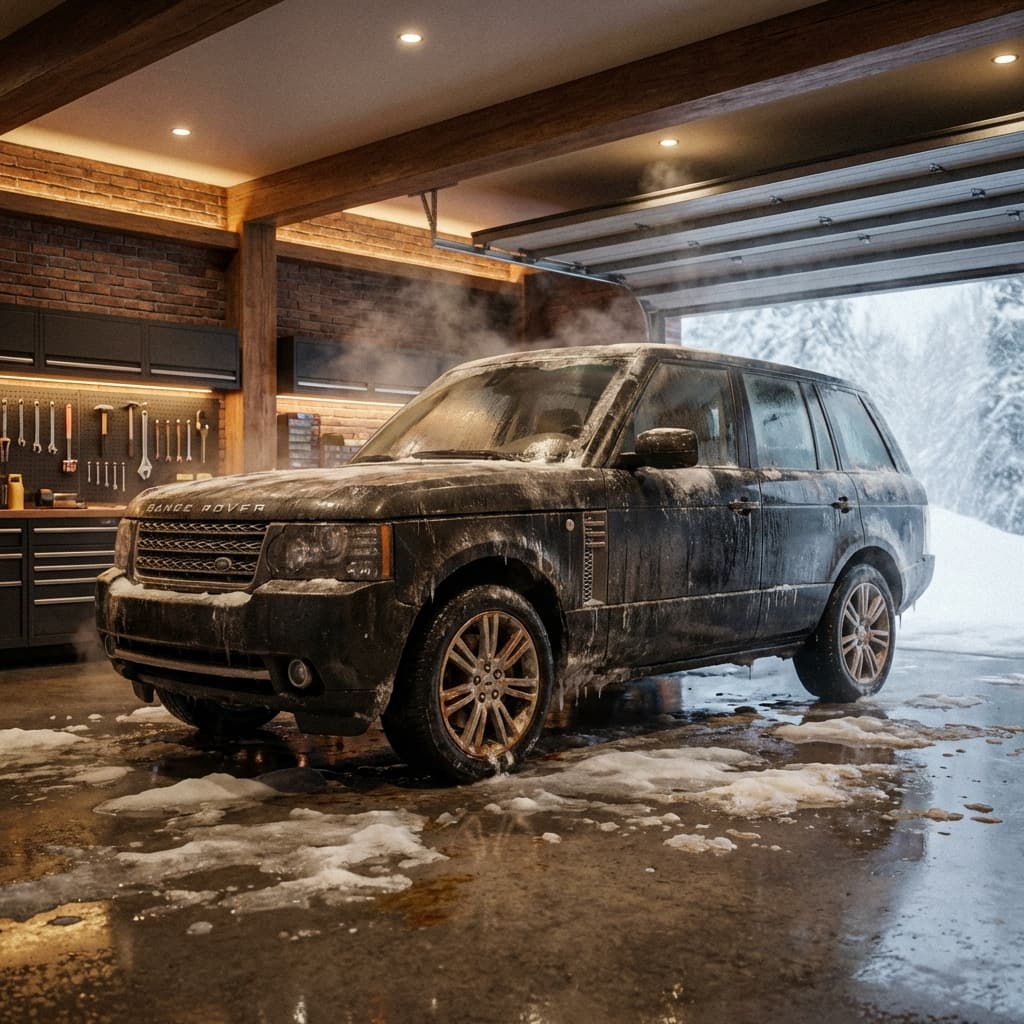
Yes — a heated garage can make rust worse on a Calgary vehicle. Road salt is chemically inert when frozen at -20°C, but parking a slush-covered car in a +20°C garage melts that salt into a corrosive brine that accelerates oxidation overnight while you sleep. If you can't rinse the salt off, parking outside in the cold is actually safer for your frame; the real fix is washing before you park, keeping the garage just above freezing (+5°C), and sealing the metal with professional rubberized undercoating.
It sounds like the ultimate luxury: driving your warm, snow-free car out of a heated garage into the Calgary winter. But for your vehicle's frame, it might be a death sentence.
The Chemistry of "Garage Rot" in Calgary
The "Active Zone"
Chemical reactions speed up with heat. At -20°C, the salty slush on your wheel wells is frozen and chemically inert. It can't rust your car.
When you park in a +20°C garage, that slush melts into a salty brine. This brine seeps into every crevice of your chassis and, fueled by the heat, accelerates oxidation (rust) rapidly while you sleep.
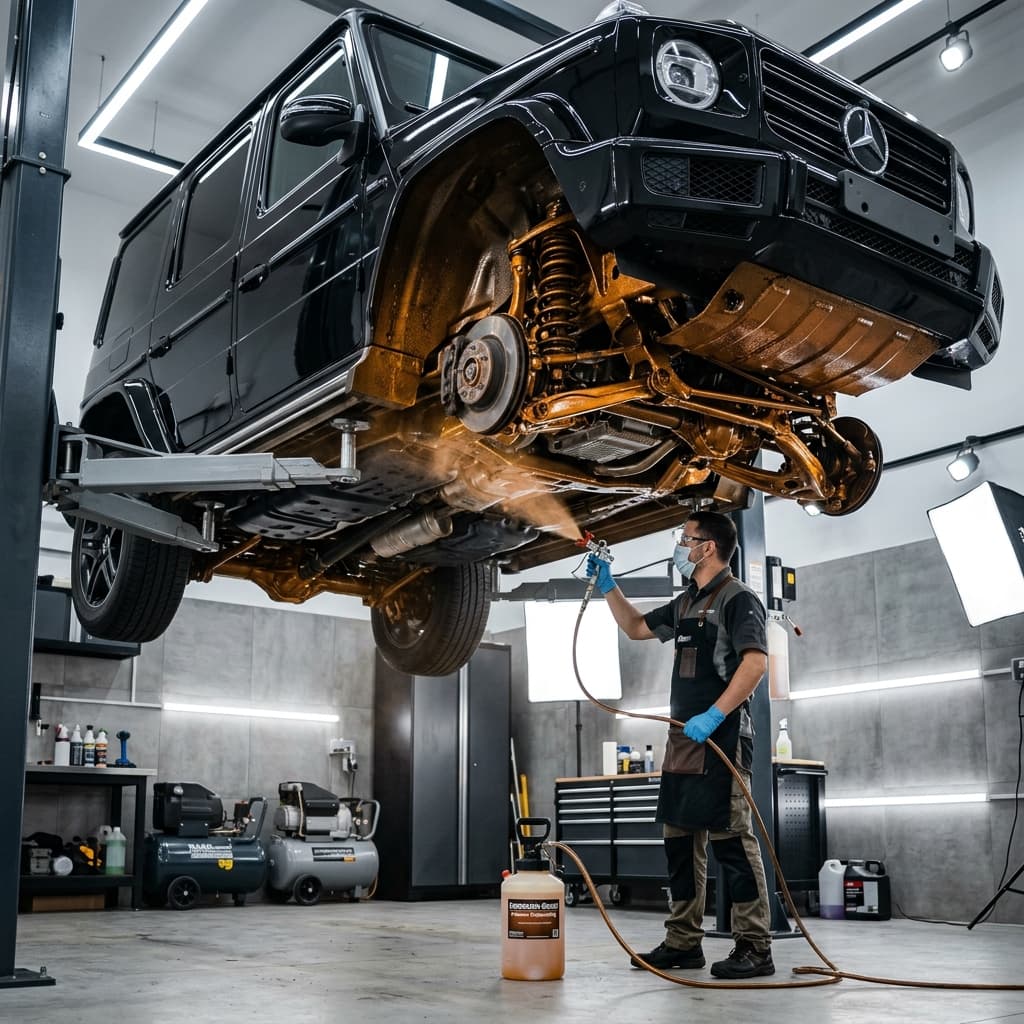
When we pull a daily-driver up onto the hoist in February after a heated-garage winter, the story is written on the underbody: the vehicles that sat warm and wet overnight show flash rust blooming on the exhaust hangers, subframe seams, and brake lines, while the trucks that parked cold outside are still dry and grey underneath. The worst cases we've seen are SE Calgary commuters who run Deerfoot and Stoney Trail daily — that brine mix the city sprays bites hardest right where the heated slush pools, around the rear cradle and pinch welds. It's the single most preventable corrosion we treat, and a quick rinse before parking changes everything.
Reviewed by Mostafa — Calgary PPF Pros, protecting Calgary vehicles since 2021.
Cold vs. Heated Parking Analysis
| Feature | Cold Parking (Outside) | Heated Parking (Inside) |
|---|---|---|
| Comfort | Low (Cold Start) | High (Warm Car) |
| Salt State | Frozen (Inactive) | Liquid (Highly Corrosive) |
| Rust Risk | Low | EXTREME |
| Seal/Rubber Health | Stiff/Brittle | Soft/Flexible |
How to Have Both (Warmth & Protection)
You don't have to freeze to save your car. But you do need a strategy.
The Pros
- Wash your car before parking (rinse the salt off)
- Keep the garage just above freezing (+5°C) instead of hot (+20°C)
- Apply a permanent Undercoating to seal the metal
The Cons
- Never park a slushy car in a hot garage without rinsing
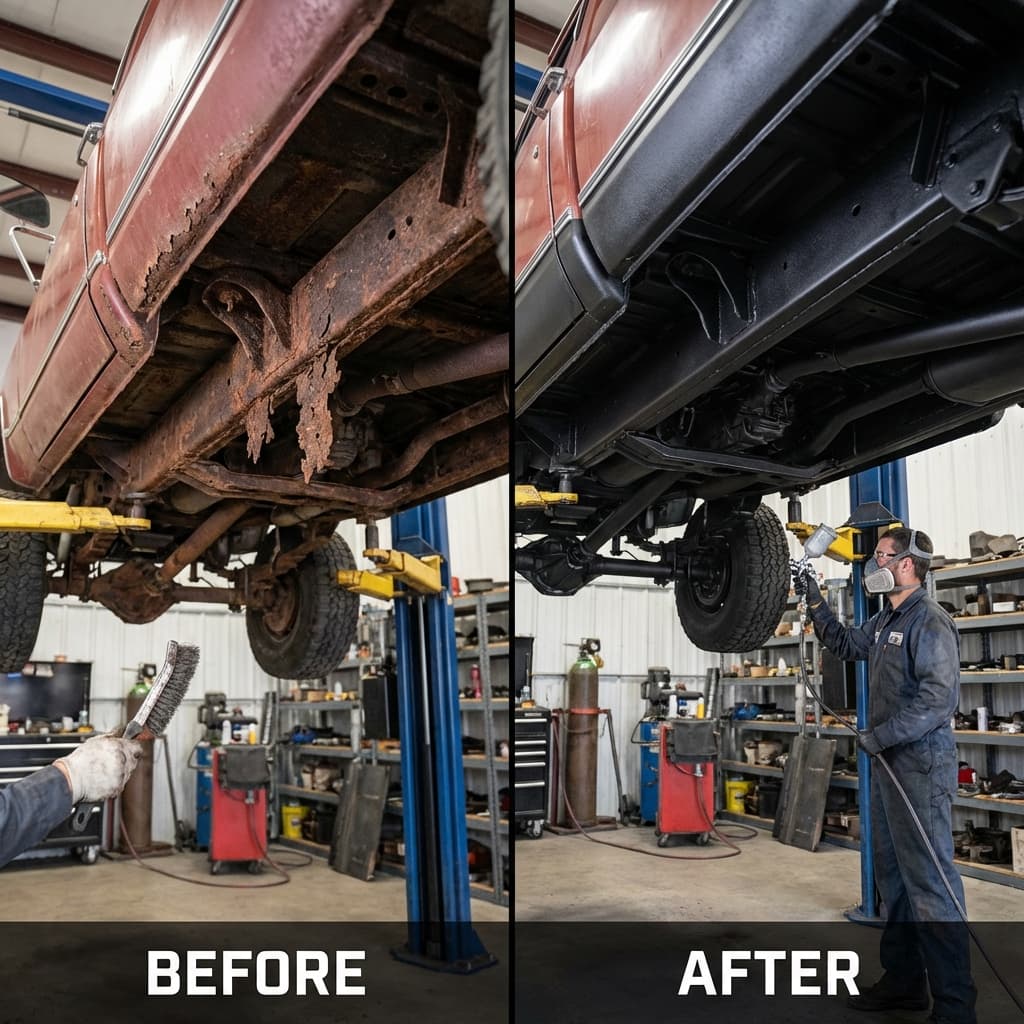
The most effective defense is a physical barrier. A professional Rubberized Undercoating seals your frame, so even if the salt melts, it never touches the metal. For the exterior paint, Ceramic Coating prevents the salt from sticking in the first place.
The Verdict
If you love your heated garage, you must have rust protection. It's not optional in Calgary. Check out our guide on Rubber vs Oil Undercoating to choose the best shield for your vehicle. To stop salt-driven rock chips from ever exposing bare metal in the first place, add paint protection film to your high-impact panels.
Frequently Asked Questions
Does a heated garage make rust worse?
Should I park outside in winter?
What is magnesium chloride and why does Calgary use it on roads?
Experience The Best.
Don't let another commute compromise your vehicle. Get a quote from Calgary's Consumer Choice Award winner today.
Explore Our Services