How Paint Protection Film Works (and How It Self-Heals)
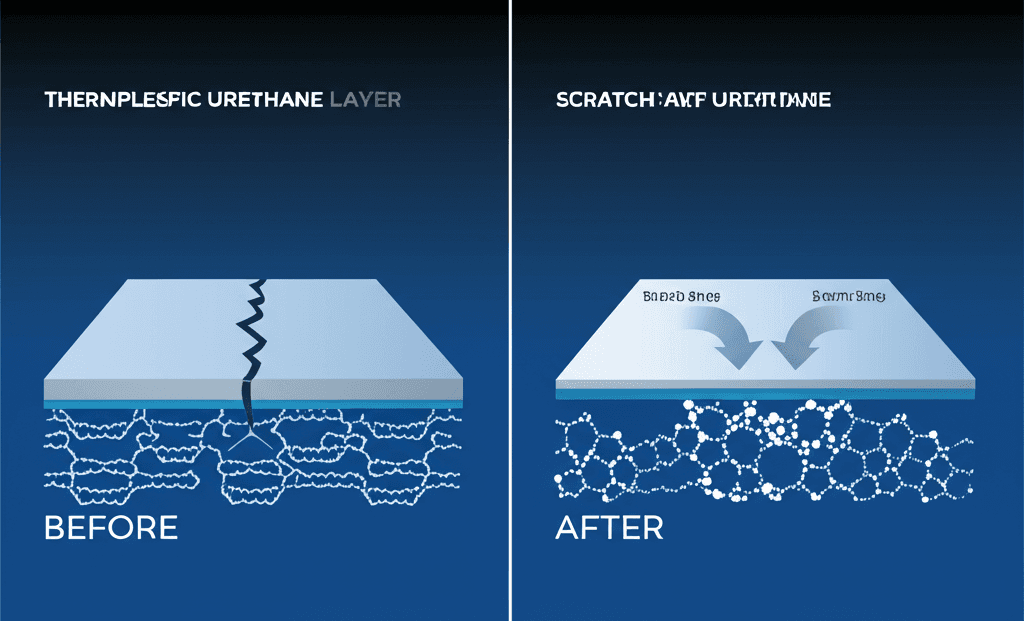
PPF self-healing is real polymer science: the film's elastomeric top coat temporarily deforms when scratched, then heat gives the polymer chains energy to snap back to their original shape, making light scratches and swirl marks vanish. In warm conditions (above 25°C or direct sun) most heal in 15–30 minutes, and a heat gun heals them in seconds; in cold Calgary winters below −20°C the film won't heal until warmed with warm water, a heated garage, or a Chinook. Premium films like STEK DYNOshield and GSWF Defender Platinum self-healing PPF keep strong self-healing for 7+ years, but it only fixes surface marring—not deep gouges, rock-chip punctures, or damage to the paint underneath.
"Does PPF really heal scratches?" It's one of the most common questions we get. The answer is yes — and the science behind it is fascinating.
Paint Protection Film's self-healing capability isn't magic — it's polymer science. Understanding how it works helps you maintain your film and know what to expect from this remarkable technology. If terms like elastomeric, TPU, top coat, and mil thickness are new, our PPF terminology reference decodes them in plain English.
See It In Action
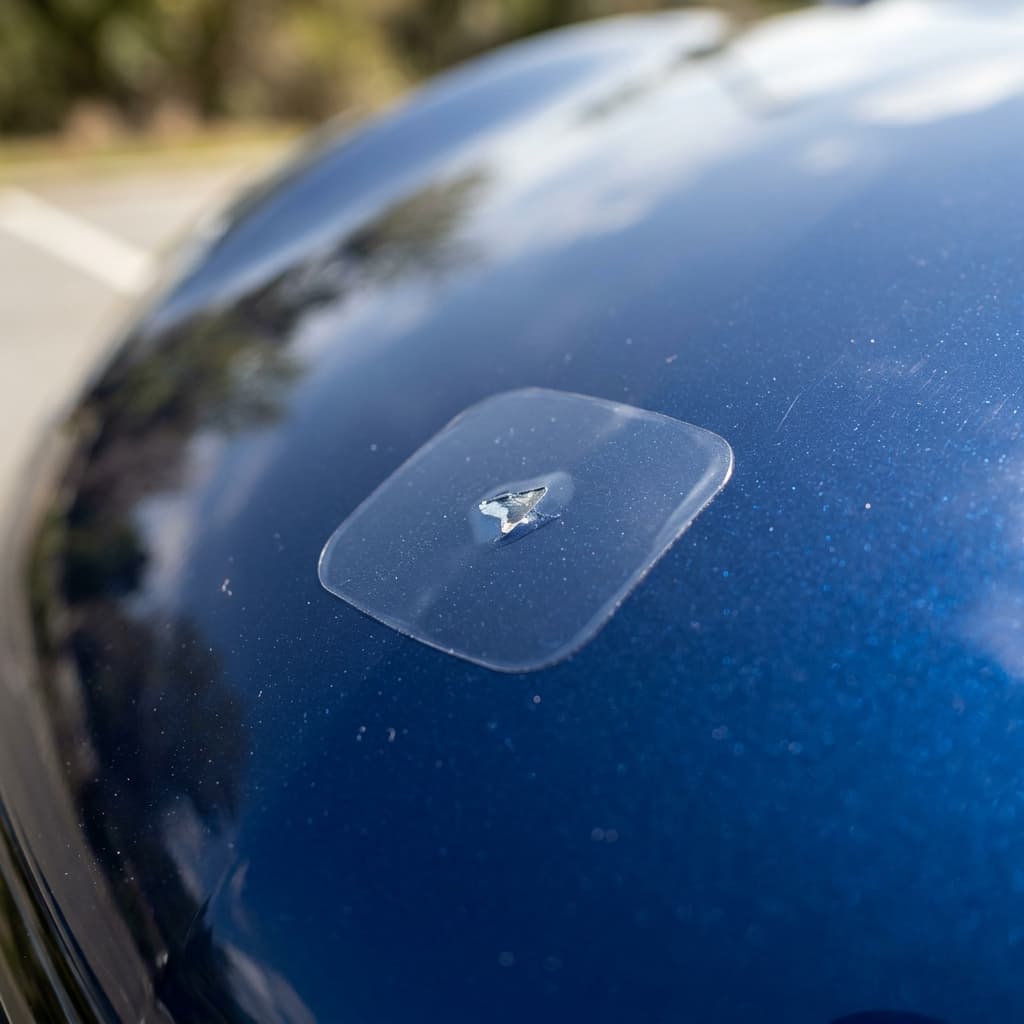
We demonstrate self-healing to every customer during delivery. A light scratch from a car key visibly disappears within seconds when we apply heat. It's always the "wow moment" of the reveal.
The Science Behind Self-Healing in Calgary
Self-healing PPF (see the PPF brands we install) features a top layer made of elastomeric polymers. Here's what happens:
- Scratch occurs — A key, fingernail, or abrasive object creates a light scratch in the polymer top coat
- Polymer deformation — The scratch is actually a temporary displacement of polymer chains, not material removal
- Heat applied — Thermal energy from sun, warm water, or heat gun excites the polymer molecules
- Memory effect — Polymers return to their original molecular arrangement (shape memory)
- Scratch disappears — Surface returns to smooth, original appearance
Think of it like a memory foam mattress. Push it down and it deforms. Remove pressure and it returns to its original shape. PPF's top coat works similarly, but requires heat as the "reset" trigger.
What Self-Healing CAN Fix
Will Heal
- • Light key scratches (accidental contact)
- • Car wash swirl marks
- • Fingernail marks
- • Light brush contact (branches, etc.)
- • Shopping cart scrapes
- • Micromarring from improper drying
- • Scuffs from contact with objects
Won't Heal
- • Deep gouges through the film
- • Rock chip impacts (absorbed, not scratched)
- • Chemical damage/staining
- • Intentional deep keying
- • Tears or punctures
- • Damage to paint underneath (if exposed)
- • Permanent contamination
How to Activate Self-Healing in Calgary
Sunlight (Natural)
Park in direct sunlight for 15-30 minutes. The sun's heat activates healing naturally. Most effective in summer.
Time: 15-30 minutes
Warm Water
Pour warm (not boiling) water over the scratched area. The heat triggers immediate healing. Great for Calgary winters.
Time: Near instant
Heat Gun/Dryer
Apply controlled heat from a hair dryer or heat gun. Keep moving to avoid overheating one spot. Fastest method.
Time: Seconds
Self-Healing Demonstration
Video Demonstration
Watch how a scratch from a car key completely disappears in seconds with the application of heat. This video demonstrates real-time self-healing on the self-healing PPF we install.
[Self-Healing Video Demonstration]
Calgary Winter Considerations for Healing
Self-healing is temperature-dependent. In Calgary's cold winters:
- -20°C and below: Won't self-heal until warmed. Store in heated garage or apply warm water to scratched area.
- 0°C to 15°C: Slow healing. May take hours in partial sun. Warm water accelerates significantly.
- 15°C and above: Normal healing in 15-30 minutes of sunlight.
- Chinook days: Perfect for natural healing — warm sun on a winter day can reset any accumulated scratches.
Not All PPF Self-Heals Equally in Calgary
Self-healing quality varies dramatically by brand:
- STEK DYNOshield (our flagship): Industry-leading self-healing, maintains for 7+ years
- GSWF Defender Platinum (our default alternative): Self-healing top coat, 10-year manufacturer warranty
- Budget films: Weak or no self-healing, degrades quickly
This is one reason we install only STEK DYNOshield and GSWF Defender Platinum at Calgary PPF Pros. The difference in self-healing performance is dramatic.
Maintaining Self-Healing Performance
To keep your PPF's self-healing active for years:
- Wash regularly (prevents contaminant bonding)
- Use pH-neutral soaps (preserve top coat)
- Apply ceramic coating topper annually
- Avoid harsh chemicals and abrasives
- Park in sunlight occasionally (natural healing cycle)
The Verdict
PPF's self-healing isn't marketing hype — it's polymer science that genuinely works. Light scratches that would permanently mar your paint simply disappear with a little heat. It's one of the most impressive features of modern protection technology.
Ready to see self-healing in action? Contact us for a demonstration, or read more about why PPF is worth the investment.
Frequently Asked Questions
How does PPF self-healing work?
What scratches will PPF heal?
How long does PPF take to self-heal?
Does self-healing wear out over time?
Experience The Best.
Don't let another commute compromise your vehicle. Get a quote from Calgary's Consumer Choice Award winner today.
Explore Our Services