Winter Car Protection in Calgary: Salt, Gravel & Rust
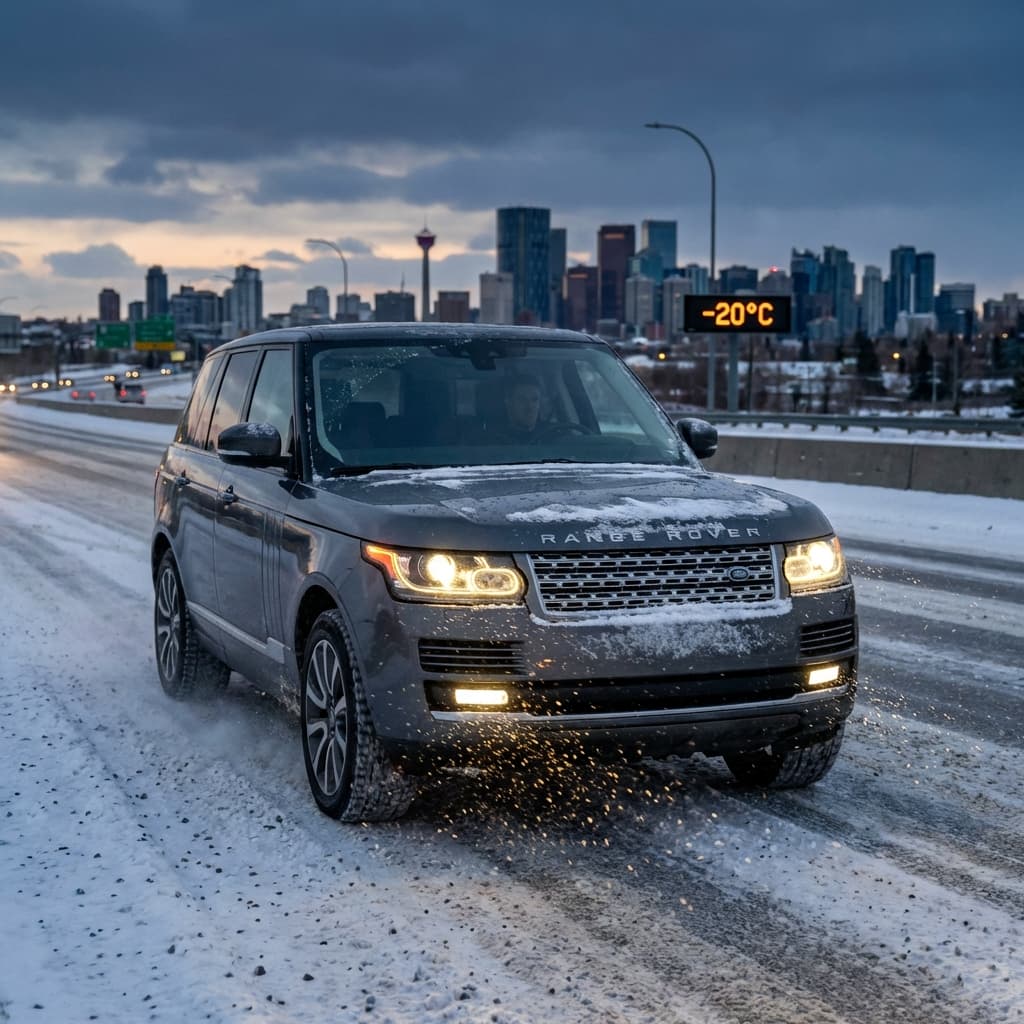
Quality paint protection film (PPF) will not crack in a Calgary winter: quality films like the STEK DYNOshield and GSWF Defender Platinum self-healing PPF we install stay flexible (elastomeric) down to about -40°C, absorbing the gravel and rock-chip impacts that cause roughly 80% of chip damage during winter on roads like Deerfoot Trail. Get PPF installed before winter rather than waiting for spring, since that gravel season is exactly when chips happen. Maintain it by washing weekly to remove salt, keeping pressure-wand nozzles 2-3 feet from film edges, never using an ice scraper on the body, and remembering that self-healing only works once the panel is warmed by sun, a heated garage, or hot water.
Winter in Calgary isn't just a season; it's a full-contact sport for your vehicle. Between the plummeting temperatures, the aggressive use of road salts (and "pickle mix"), and the relentless gravel trucks on Deerfoot Trail, your car's paint faces its toughest test of the year.
These are the real questions Calgary drivers bring into our bay every winter, salt-streaked car in tow. We answer them the same way we would across the counter: plainly, with what we actually see on vehicles that survive a –30°C season versus the ones that come in chipped and brining at the front end. PPF and good winter washing habits do most of the heavy lifting.
Reviewed by Calgary PPF Pros Team — Calgary PPF Pros, protecting Calgary vehicles since 2021.
At Calgary PPF Pros, we field dozens of questions every week from concerned drivers: "Will the film crack at -30°C?", "Can I take it through a car wash?", and "Is it too late to install protection?"
This comprehensive guide answers every burning question about Paint Protection Film (PPF) during our notorious winters. We’re going beyond the basics to give you the science, the strategy, and the peace of mind you need to navigate Calgary's frozen roads.
Your Winter Protection Plan: PPF, Ceramic and Undercoating
A Calgary winter attacks a car in three places: gravel chips the front end, salt brine clings to the paint, and the same brine works its way into the underbody. Each layer below handles one of those jobs, and they stack.
1. Paint protection film
The only layer that physically stops rock chips and gravel. Minimum: the full front (hood, bumper, fenders, mirrors); add the rocker panels if you drive a lot of salted highway.
From $399 (partial front) · full front $1,499
PPF in Calgary →2. Ceramic coating
A hydrophobic layer that keeps salt and grime from bonding to the paint, so a winter rinse takes most of it off. It can go over PPF as well as bare paint.
From $899
Ceramic coating in Calgary →3. Undercoating & rust proofing
Seals the underbody, wheel wells and frame rails, where the brine and pickle mix sit longest and rust starts first.
From $599
Undercoating in Calgary →The Science of PPF in Extreme Cold
Myth: Plastic Freezes and Cracks
Many people assume that because PPF is a type of plastic (thermoplastic urethane), it becomes brittle and shatters like a frozen water bottle when hit by a rock in -30°C weather.
The Reality: High-quality PPF (like the STEK and GSWF films we use) is engineered specifically for thermal stability. It remains elastomeric even in extreme cold. This means that instead of shattering, it retains its ability to absorb and disperse impact energy.
The "Glass Transition" Phase
Cheaper vinyl wraps (often used for color changes) have a high "glass transition temperature." When it gets cold, they turn into a glass-like state and can crack easily.
Premium PPF has a much lower glass transition temperature. It stays rubbery and flexible well below Calgary's coldest days. While a rock chip might bruise the film, it rarely penetrates through to the paint, even in deep freeze conditions.
Chinook Freeze-Thaw: What It Does to Paint
A chinook can take the city from well below freezing to above zero within hours, and back again overnight. Two things happen to a car in that cycle. First, steel or aluminum panels, plastic bumpers and the paint on top of them expand and contract at different rates; on older, brittle clear coat, repeated cycles show up as fine cracking. Second, meltwater gets into existing rock chips during the warm spell, freezes overnight and expands — which lifts the paint around the chip and turns a speck into a flake.
The fix is to keep water out of the paint: touch up chips before winter, and cover the high-impact panels with film so new chips can't form. If you already see spider-web cracking in the clear coat, have it assessed before you protect it — see paint correction in Calgary.
Top 5 Winter PPF Questions Answered
1. Will the edges peel with all the snow and ice?
Not if installed correctly. Edge lifting usually happens for two reasons: poor installation (where fingers of air were left behind) or aggressive washing.
In winter, ice can form along the edges of the film. If you pick at this ice, you might lift the film. The solution? Don't pick at the edges. Let the car warm up first, then use a mild pre-thaw spray to melt the ice (never hot water — the thermal shock cracks glass and lifts film). A wrapped edge (where the film is tucked around the panel) is the best defense against this, which is our standard practice at Calgary PPF Pros. For safe de-icing and winter washing, see the winter-care section of our PPF maintenance guide.
2. How do I wash my car without ruining the film?
Salt and road grime are the enemies. You must wash your car, but you need to adjust your technique:
- Avoid Automatic Brush Washes: Those stiff, frozen bristles can scratch even the best self-healing film beyond repair.
- Touchless is Safe: Generally, touchless washes are fine. Just ensure the chemicals aren't overly acidic (some cheaper washes use harsh acids).
- Wand Wash Rules: This is the most critical rule. Keep the nozzle 2-3 feet away from film edges. High-pressure water can inject itself under the film, creating a bubble that cannot be fixed.
3. My film looks scratched! Is the self-healing broken?
It's just hibernating. The self-healing top coat on films like STEK DYNOshield or GSWF Defender Platinum works via thermoplastic polymer chains that realign when heated.
In -20°C, there is no heat energy to trigger this reaction. If you get micro-marring from a snow brush, it will stay there all winter. Do not panic. As soon as spring arrives—or if you pour hot water over the panel—the film will "wake up" and the scratches will disappear.
The "Waiting for Spring" Trap
A common mistake Calgary drivers make is buying a new car in November and thinking, "I'll just wait until April to get PPF when the weather is nice."
This is a critical error. Winter is statistically when 80% of rock chips occur. The city spreads gravel (traction aid) on the roads constantly. By April, your front bumper will likely look like the surface of the moon. First-winter newcomers make the same mistake — our moving-to-Calgary car protection guide sequences the whole first-year stack, from OOP inspection through pre-November install.
The Risk Factor
Driving unprotected on Deerfoot Trail in winter is a gamble where the house always wins. A single rock can cause a $2,000 damage claim or a windshield replacement.
Why Install in Winter?
- Immediate ProtectionProtect your factory paint before the first rock hits. Once the paint is chipped, PPF can't hide it perfectly.
- Controlled EnvironmentWe don't install outside! Our studio is heated and climate-controlled to 22°C to ensure perfect adhesion, regardless of the blizzard outside.
- Faster TurnaroundSpring is our busiest season. Booking in winter often means shorter wait times and more flexible scheduling.
Fall Prep Checklist: Before the First Salt
Protection booked in the fall prevents winter damage; protection booked in spring mostly repairs it. Work through this list in September and October:
- Book undercoating early. Roads are still dry, so the coating goes onto a clean underbody before the salt season starts. Coating in spring means sealing in a winter of salt and moisture unless the underbody is professionally cleaned first.
- Film the front end if it isn't protected yet — chips that form in winter take on water, freeze and grow.
- Refresh the ceramic coating. A coating in good condition repels salt; top it up with a ceramic spray, or book a maintenance coat if it is several years old.
- Touch up existing rock chips so water can't get under the paint over the winter.
- Protect the wheels. Brake dust plus brine is hard on alloy finishes; see our wheel ceramic coating guide and winter wheel protection.
- Condition leather and protect fabric before the dry winter air arrives.
Winter Care Checklist for PPF Owners
If you already have PPF installed, follow this checklist to ensure it survives the winter in pristine condition:
| Do This ✅ | Don't Do This ❌ |
|---|---|
| Use a soft snow brush or foam brush | NEVER use an ice scraper on the paint |
| Wash weekly to remove salt buildup | Don't blast edges with high-pressure water |
| Apply a ceramic booster spray for slickness | Don't wipe a dirty car with a dry towel |
| Park in a garage when possible (helps healing) | Don't pick at frozen edges or ice buildup |
The Verdict: Is PPF Worth it for Winter?
Without a doubt, winter is the primary reason to own PPF in Canada. While summer brings bugs and bird droppings, winter brings heavy projectiles. The cost of replacing a windshield or repainting a hood due to rock chips far outweighs the investment in quality protection.
Don't let the weather dictate the condition of your car. Drive with confidence knowing your investment is shielded by the best technology available.
Frequently Asked Questions
Will PPF crack in extreme cold?
Can I wash my car in winter with PPF?
Does the self-healing work in winter?
What about ice scrapers?
Should I get PPF in winter or wait for spring?
Experience The Best.
Don't let another commute compromise your vehicle. Get a quote from Calgary's Consumer Choice Award winner today.
Explore Our Services