3M vs. Ceramic vs. Budget Brands: Does Tint Brand Matter?
- Written by
- By Amro
- Published
- Jun 15, 2024
- Updated
- Reading time
- 12 Minute Read

For Calgary window tint, genuine nano-ceramic films — the 3M ceramic lines we install — are worth the cost, while budget dyed films are a trap that turns purple within one Calgary summer. The ceramic film we install rejects up to 98% of infrared heat (vs. under 20% for generic dyed film) and blocks 99% of UV-A and UV-B. Remember that heat rejection comes from the film's ceramic technology, not the darkness, so even a light ceramic shade out-performs a dark dyed film. Avoid cheap "dealership tint" quoted around $699 that often uses $30 of dyed film.
Is window tint just window tint? Absolutely not. The brand and technology of the film you choose determine whether your tint turns purple in two years or blocks heat effectively for a lifetime. In this guide, we break down what separates genuine ceramic film (we install 3M) from the "budget" brands—and why the budget ones are a trap.
The Truth About Window Tint Brands
In Calgary, window tinting is often treated as a commodity. Drivers assume that "tint is tint" and shop for the lowest price. This is a critical mistake. The difference between a $200 tint job and a $600 tint job isn't just labor profit—it's the difference between a product that degrades in 24 months and one that lasts 20 years.
The market is dominated by three categories:
- Ceramic lines from established brands (3M is the brand we install): High-tech ceramic films with manufacturer warranties.
- Carbon lines from the same brands: A step down in heat rejection that still won't fade.
- The Budget Brands (Generic): Dyed films that fade, bubble, and peel.
Why Brand Matters
Window tint film is a multi-layered polyester product. Budget brands skip the UV-stable layers. This means that within one Calgary summer, the dye begins to break down. You might save $100 upfront, but you'll pay $300 later to remove the bubbled, purple mess.
The purple-tint problem is something we strip out of cars almost every week, and it's nearly always a budget dyed film that took one Calgary summer of high-UV Chinook sun to turn. What surprises clients most is the heat-lamp test in our showroom — people walk in convinced their old 5% limo dye was "blocking the sun," then feel the burn come right through it next to a light ceramic film that stays cool to the touch. That hands-on moment sells the technology better than any spec sheet, because it proves the heat rejection comes from the ceramic layers, not the darkness of the shade.
— Amro, Calgary PPF Pros
Tint Chemistry 101: Dyed vs. Carbon vs. Ceramic
To understand the brand comparison, you first need to understand the technology. Brands such as 3M manufacture films across all these tiers, but their reputations are built on their top-tier premium ceramic products.
1. Dyed Film (The "Budget" Trap)
This is the entry-level standard. It’s simply a sheet of polyester with dye added to the adhesive or the film itself.
- Pros: Cheapest option; darkest black appearance initially.
- Cons: Turns purple; bubbles easily; blocks zero heat; fades quickly.
- Verdict: Avoid at all costs for any vehicle you plan to keep.
2. Carbon Film (The Middle Ground)
Carbon film uses carbon particles infused into the film. It offers better color stability than dyed film and won't turn purple.
- Pros: Matte finish; won't fade; moderate heat rejection.
- Cons: Can have a "hazy" or grainy look (low angle haze); less effective at blocking IR heat than ceramic.
3. Nano-Ceramic Film (The Gold Standard)
This is where the ceramic lines from established brands such as 3M compete. These films are coated with nano-ceramic particles that are invisible to the naked eye but block Infrared (IR) radiation.
- Pros: Blocks up to 98% of infrared heat; zero signal interference (GPS/Cell); extreme clarity; lifetime warranty.
- Cons: Most expensive option.
- Verdict: The only choice for Calgary drivers who want heat protection and longevity.
The Heat Rejection Reality
Most people think darker tint blocks more heat. False.
A 5% (Limo) Dyed Tint blocks ~20% of heat.
A light ceramic tint rejects far more infrared heat.
The technology blocks the heat, not the darkness of the shade.
Head-to-Head: Genuine Ceramic Film vs. a Generic "Shop Brand"
3M is the brand we install, in ceramic and carbon lines. Whichever brand you choose, make sure you are getting a genuine ceramic line — the gap that matters is between a genuine ceramic film and an unbranded dyed film.
| Feature | Ceramic Film (3M) | Generic "Shop Brand" |
|---|---|---|
| Technology | Nano-Ceramic | Dyed or Hybrid |
| IR Heat Rejection | Up to 98% | < 20% |
| UV Protection | 99% UV-A/UV-B | Varied |
| Colour Stability | No purple fade | Brown/Purple Hue |
| Warranty | Manufacturer film warranty + our lifetime warranty | 1-3 Years |
| Signal Interference | None (no metal) | Possible (if metallic) |
What to Check Before You Choose a Film
The Warranty
Ask whose warranty it is and what it covers. The films we install carry the manufacturer's film warranty, and we add our lifetime warranty against fading (including purple fade), bubbling and peeling.
Color Match
Most factory privacy glass (on SUVs and trucks) has a neutral black tone, and film tones vary between product lines. Hold a sample against your glass in daylight before you choose, so the rear glass matches the factory tone instead of going brown or blue.
Performance
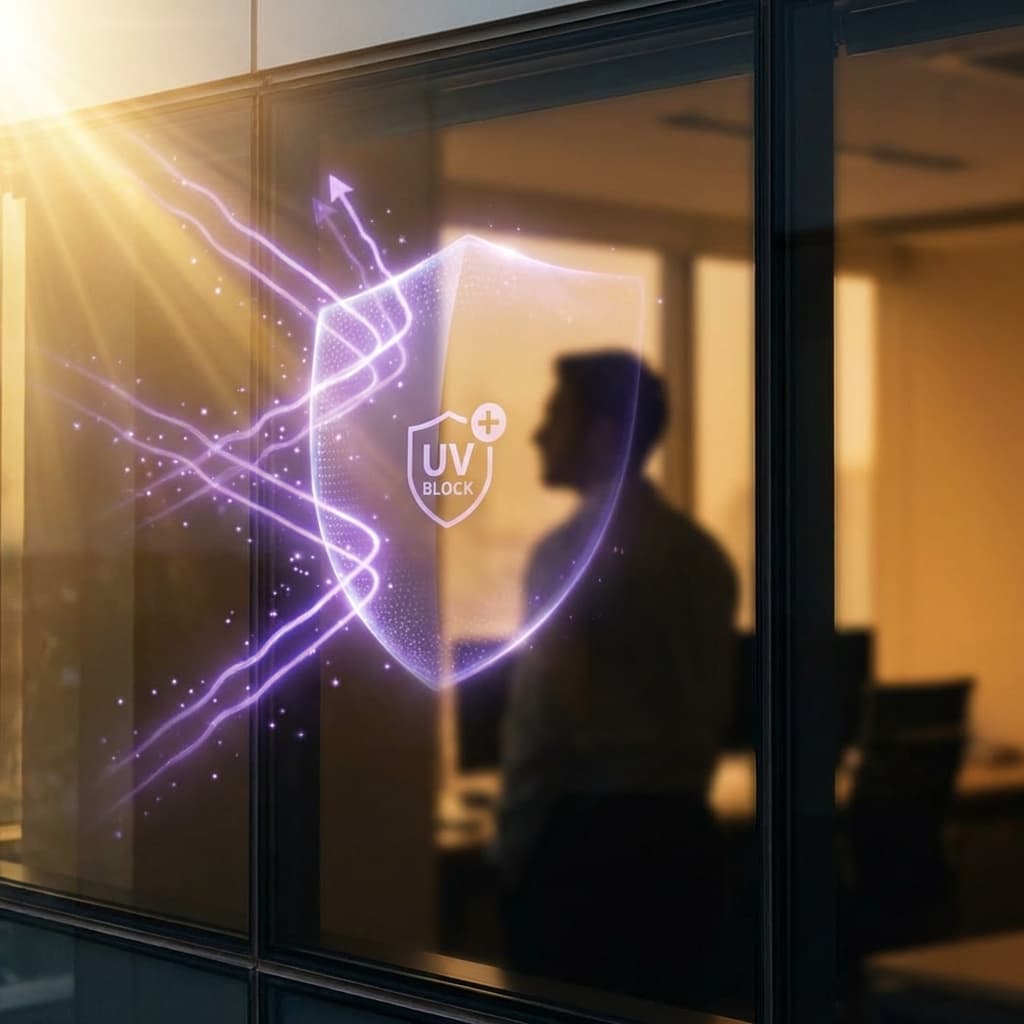
Heat rejection comes from the ceramic layer, not the darkness of the shade. The ceramic film we install rejects up to 98% of infrared heat and blocks 99% of UV-A and UV-B, so ask for the spec sheet of the exact film going on your car.
The Danger of "Dealership Tint"
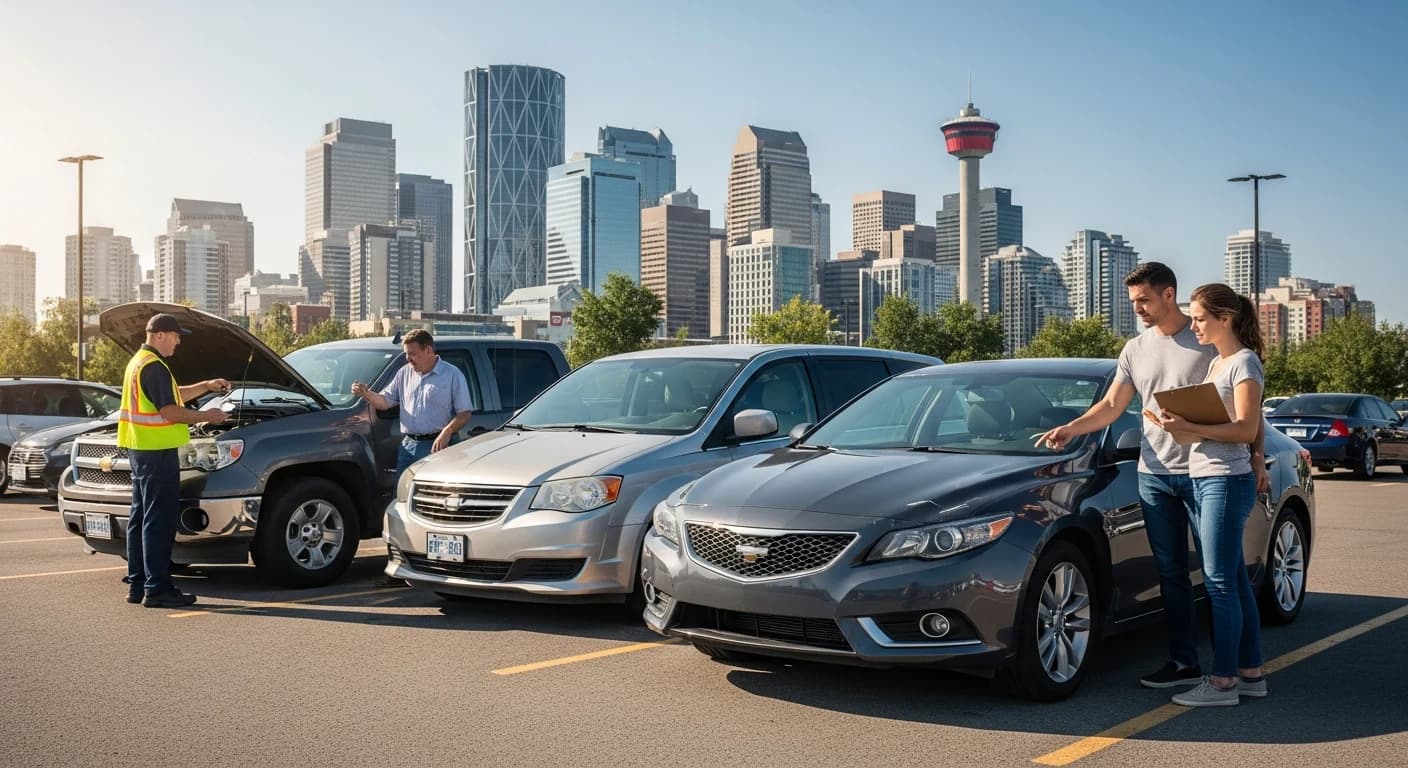
When you buy a new car in Calgary, the finance manager will almost always offer to tint the windows for you. Proceed with caution.
Dealerships typically outsource tinting to the lowest bidder or use the cheapest bulk film available to maximize their profit margin. They might charge you $699 for a tint job that costs them $150 and uses $30 worth of dyed film.
The Dealership Reality Check:
- You rarely get a choice of film brand or tier (it's usually "whatever they have").
- The installers are often rushed, leading to gaps, bubbles, and dust contamination.
- Warranty claims can be a nightmare, requiring you to go through the dealer rather than a dedicated shop.
Always ask the dealership: "What specific brand and model of film are you using?" If they can't tell you, or if they say "Standard," decline it and come to a specialist.
Is "Ceramic" Just a Buzzword?
In the marketing world, "Ceramic" is thrown around loosely. You might see "Ceramic Tint" on Amazon for $40 per roll. Real nano-ceramic technology is expensive to manufacture.
How to Spot Fake Ceramic Tint:
- The Heat Lamp Test: Any reputable shop should have a heat lamp display. Ask them to let you feel the difference between their "ceramic" and a piece of regular glass. If you still feel the burning heat, it's not high-grade ceramic.
- The Price: If a shop is quoting you $200 for a full vehicle "ceramic" tint, they are lying. The material cost alone for genuine ceramic film from an established brand is higher than that.
- The Warranty Card: Genuine brands provide a digital or physical warranty card with a unique serial number. Demand to see it.
Our Verdict: Invest in Quality
Your vehicle is likely the second biggest investment you'll make. Putting $50 tint on a $50,000 car is a disservice to the vehicle and your comfort.
At Calgary PPF Pros, we install ceramic and carbon film from 3M because it delivers the optical clarity, heat rejection and warranty support a Calgary car needs.
Whether you want the privacy of 5% limo tint or the subtle, classy look of 35%, choosing a genuine ceramic film ensures your car looks better, stays cooler, and retains its value.
Ready to Upgrade Your Ride?
Stop suffering in the heat. Get a quote for genuine ceramic tint today.
Get A Tint QuoteFrequently Asked Questions
Is 3M tint better than LLumar or Global Window Films?
3M is the brand we install, in ceramic and carbon lines, and a genuine ceramic line from any established brand far outperforms a budget dyed film. The right choice depends on the shade, the glass and your budget — ask to see the warranty card for the exact film going on your car.
Why does cheap tint turn purple?
Cheap 'budget' tints use dyed polyester films. The UV rays from the sun break down the dye over time, causing it to fade and turn purple. High-quality ceramic tints use nano-ceramic particles that are stable and never fade.
Is ceramic tint worth the extra cost?
Absolutely. Standard dyed tint only provides privacy. Ceramic tint blocks up to 98% of infrared heat, protecting your skin and interior from damage and keeping your car significantly cooler in the summer.
Does window tint affect visibility at night?
It depends on the shade (VLT) and quality. High-quality ceramic tints maintain excellent optical clarity even at darker shades. Budget tints often have a 'hazy' or grainy look that can impair night driving.