PPF Over Rock Chips: Can You Apply Film to a Car with Existing Damage?
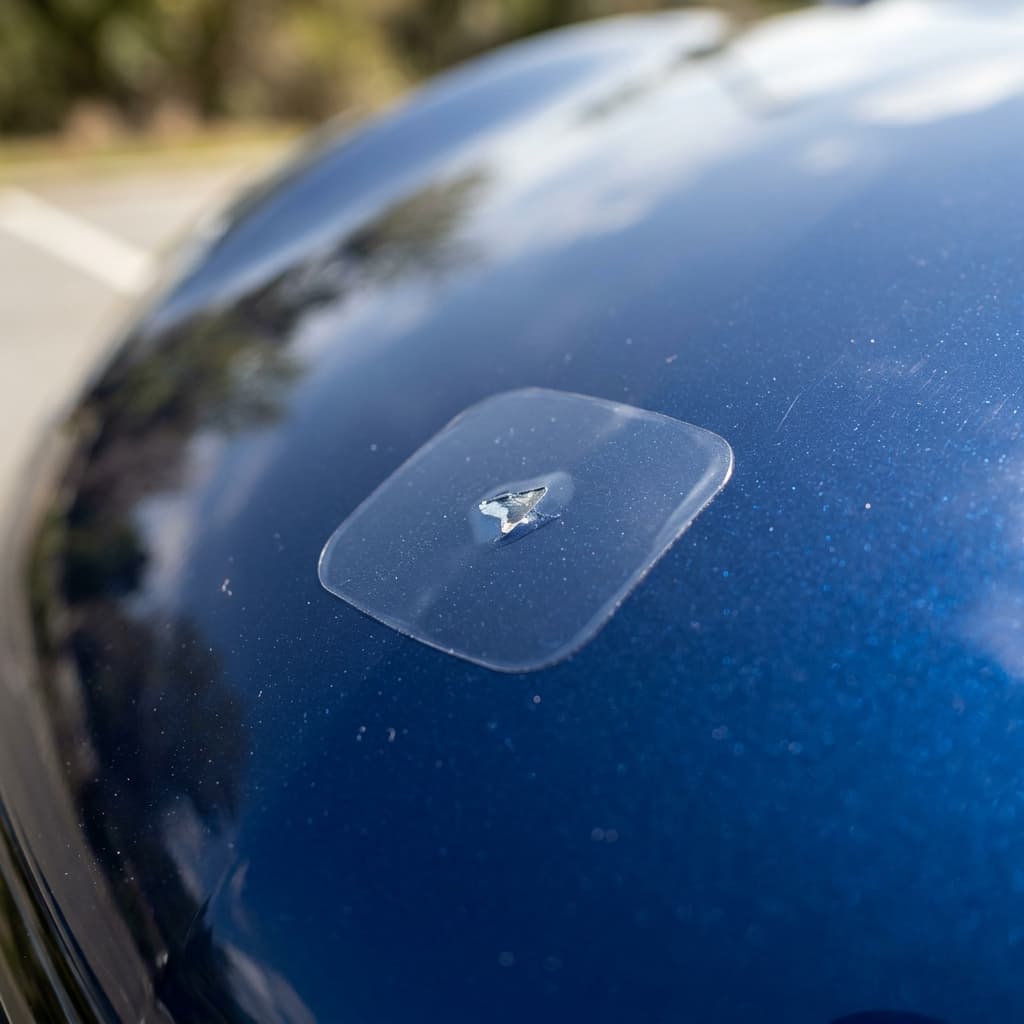
Yes — PPF can go over existing rock chips in most cases. Minor chips with no exposed metal or rust: apply PPF directly. Chips with exposed metal: touch-up paint first, cure 30 days, then PPF. Chips with active rust: body shop first, then PPF. It is never too late to protect a vehicle with existing damage.
The most common reason Calgary drivers hesitate to book PPF: "My car already has chips — I missed the window." You didn't. Here is exactly when you can apply PPF over existing damage, and when you should address chips first. (If your car is brand new, the ideal move is filming it before the chips ever start — see protecting a new car from rock chips in Calgary.)
The Myth vs. The Reality
The Myth
"My car already has rock chips, so I can't get PPF. The installer won't apply film over damaged paint, and even if they did, it wouldn't look right."
The Reality
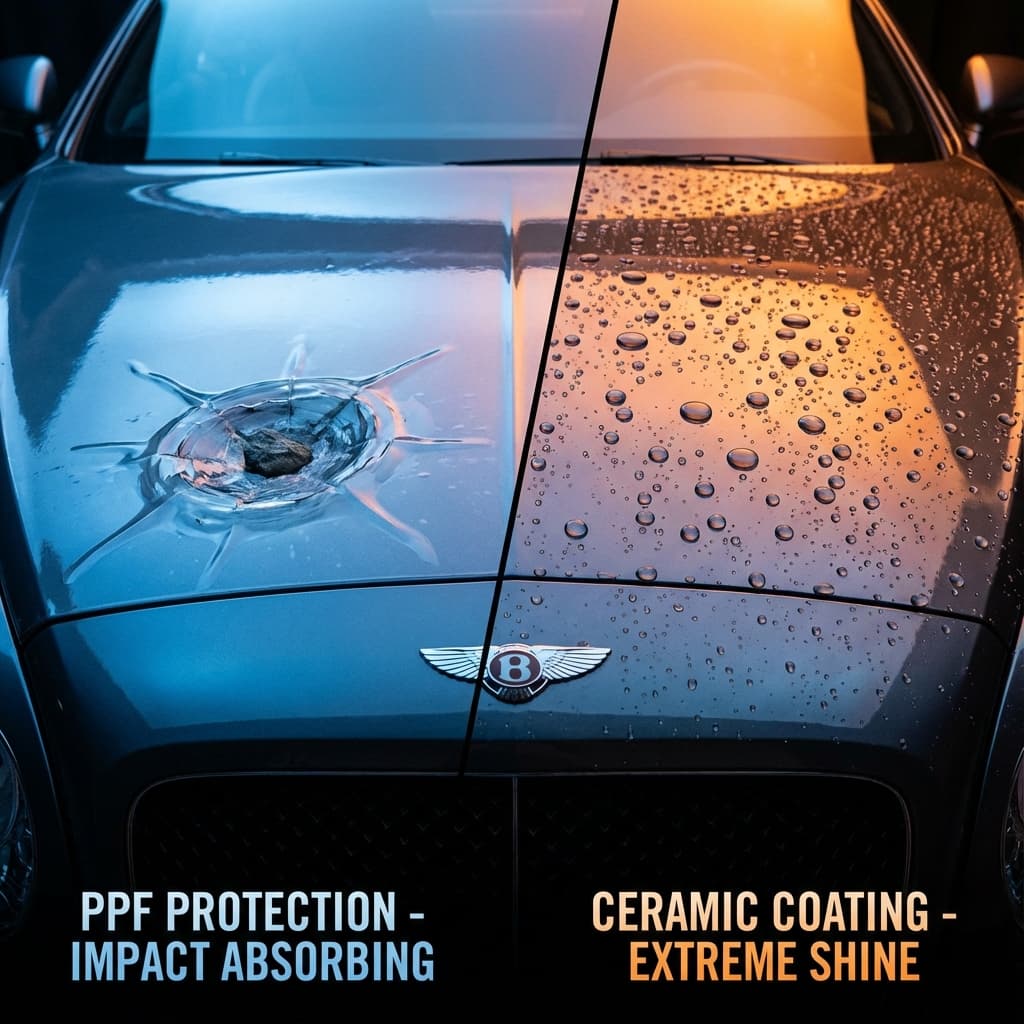
PPF is routinely installed over minor chips. The film seals the chip from moisture, prevents rust, and stops new damage from forming. PPF won't hide existing chips — but it will stop them from becoming worse and prevent any new ones from forming.
Decision Guide: What to Do Based on Your Chip Type
| Chip Type | Paint Status | PPF Action | Prep Required |
|---|---|---|---|
| Surface chip, 1–2mm, paint chipped only | No metal visible | Apply PPF directly | None |
| Chip with slight metal exposure, no rust | Bare metal showing | Touch-up paint, wait 30 days, then PPF | Touch-up paint |
| Chip with rust starting | Rust forming at chip site | Treat rust first, then PPF after repair | Body shop rust treatment |
| Multiple deep chips, significant damage | Paint lifting at edges | Paint correction or respray, then PPF | Professional paint work |
| Old chip, stable, no active rust | Aged chip, paint stable | Apply PPF directly | None — PPF seals it |
Why PPF Over Minor Chips Is Completely Fine
When PPF is applied over a minor chip (no exposed metal), the film does several important things:
Seals the Chip from Moisture
The PPF film creates a waterproof barrier over the chip. Moisture that would normally seep into the chip edge, freeze in winter, expand, and deepen the chip — is now blocked by the film. This is especially relevant for Calgary winters where freeze-thaw cycles are frequent.
Prevents Rust Initiation
Paint chips create a point where moisture contacts bare primer or metal. Over months, this initiates rust — especially in a Calgary winter with 30,000+ tonnes of road salt in contact with your vehicle. PPF over a chip eliminates the moisture exposure that triggers rust formation.
Stops New Chips from Forming
The most important function. Once PPF is installed, the chips you have are the chips you keep — but no new ones form. A 3-year-old car with 20 chips and fresh PPF will have the same 20 chips in year 8. A 3-year-old car without PPF might have 80–120 chips in year 8 after Calgary highway driving.
When You Should Address Chips Before PPF
Chips with Exposed Bare Metal
If the chip is deep enough that you can see silver metal or grey primer, rust will begin forming under the PPF if the metal is not treated. Colour-matched touch-up paint fills and seals the chip. After 30 days of curing, PPF goes over top with no issues.
Chips with Active Rust
If rust is already visible (orange or brown discolouration around the chip), PPF over rust is counterproductive — it traps the rust and accelerates it. Rust treatment at a body shop is mandatory. Once treated and fully cured, PPF can be applied over the repaired area.
Paint Lifting at Chip Edges
If the paint around a chip is lifting, flaking, or peeling, PPF adhesion in that area will be compromised. The paint needs to be stabilized (and if significant, professionally repaired) before film is applied. PPF requires stable paint adhesion to function correctly.
The Touch-Up Paint Process Before PPF
Identify chips requiring touch-up
Any chip showing bare metal (silver or grey) rather than paint needs touch-up. Minor paint-surface chips with no metal visible do not.
Source colour-matched touch-up paint
Your vehicle's paint code is located on a sticker in the door jamb or engine bay. Order colour-matched touch-up paint from your dealer or an auto paint supplier. We can source this for you as an add-on service.
Apply touch-up paint in thin layers
Touch-up paint is applied in thin coats — not filled to the surface all at once. Multiple thin coats with drying time between each layer produces the most stable result.
Allow 30 days to cure
Touch-up paint needs full chemical curing before PPF is applied. Applying film over uncured touch-up paint can cause adhesion problems and visible imperfections. 30 days is the safe minimum.
PPF installation over cured touch-up
Once fully cured, the touch-up paint is stable and PPF adheres perfectly over it. The chip will still be faintly visible through the clear film, but it will never deepen or rust again.
What PPF Will and Won't Do for Existing Chips
The Pros
- Seals existing chips from moisture, preventing rust initiation
- Stops freeze-thaw expansion from deepening chips in Calgary winters
- Prevents all new chips from forming on protected areas
- Locks in the current condition — damage stops accumulating
- Can be applied over stable chips without any prep in most cases
- Protects touch-up paint from peeling or fading
The Cons
- Will not hide existing chips — they remain visible through clear film
- Cannot be applied over active rust (rust must be treated first)
- Cannot be applied over fresh paint under 30 days old
- Will not make paint damage disappear cosmetically
What We Do at Drop-Off
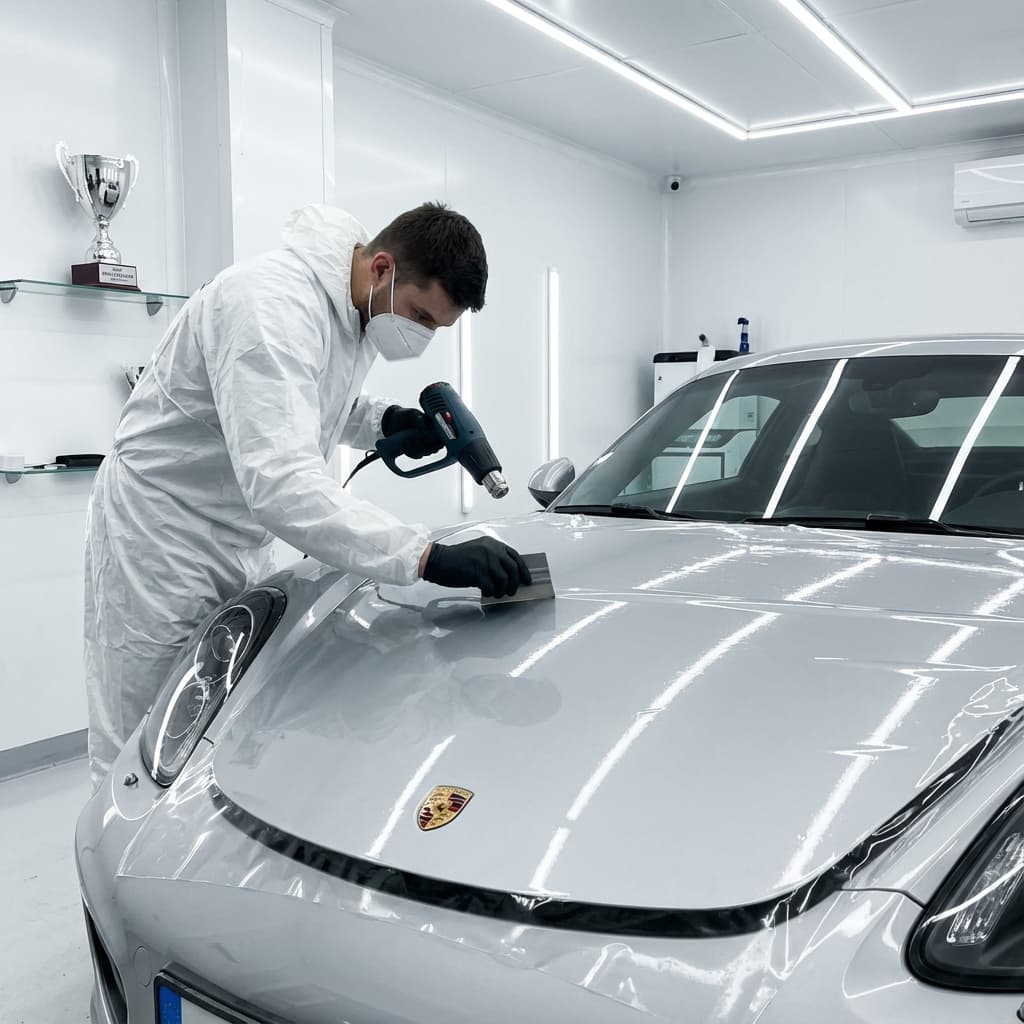
Every vehicle gets a professional inspection under shop lights before installation. We review all chips with you, categorize them (PPF-ready vs. touch-up-required vs. body shop), and give you honest recommendations. We never apply PPF over chips that require prior treatment — and we'll tell you exactly what needs to happen first.
For chips that are deep enough to require correction work before film goes on, when paint correction is needed before PPF covers the full process — what correction actually does, how long it takes, and which chip situations make it the right call versus touch-up paint alone.
Once you've addressed existing chips and booked your installation, what to expect during PPF installation walks you through every step of the process — drop-off, prep, film application, cure time, and what the vehicle looks like at pickup. Most customers are in and out within a day for partial packages.
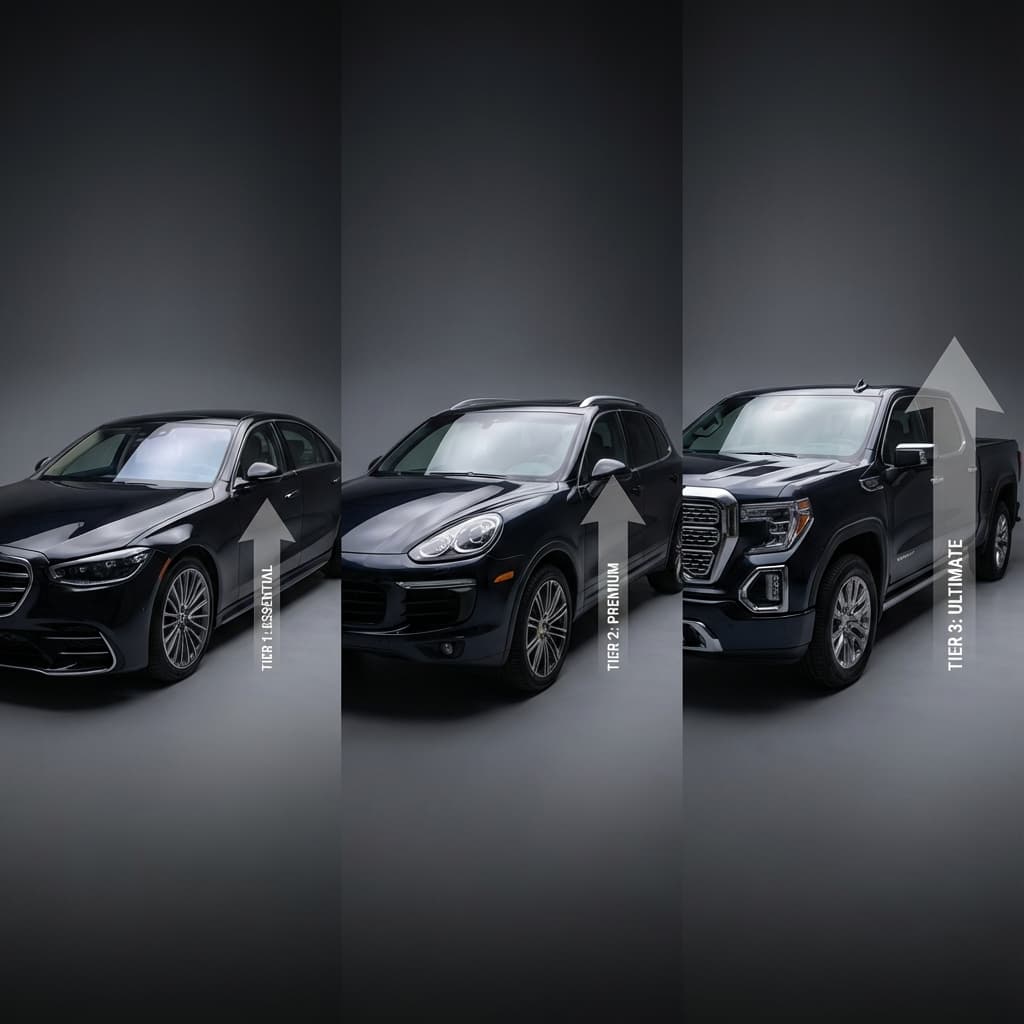
After the film is installed, the next decision is which coverage level makes sense for your driving pattern. The full front vs. partial PPF guide breaks down every package by use case — from city-only drivers who need Essentials to highway commuters who benefit from the full front coverage. And when you're thinking long-term, it's worth knowing what happens when PPF reaches end of life — film typically lasts 7–10 years, and replacement is a straightforward process.
Related Reading
Full Front vs. Partial PPF: Which Package?
Use-case breakdown of every coverage level — from Essentials to Signature.
Paint Correction Before PPF
When correction is needed before film application, and what the process involves.
What to Expect During PPF Installation
Drop-off to pickup — a complete walkthrough of the installation process.
We'll Assess Your Chips and Give Honest Advice
Bring your car in — we'll inspect it under professional lighting, tell you exactly which chips need addressing, and quote the full installation. PPF from $599. Our flagship self-healing PPF with lifetime warranty.
Book a PPF AssessmentFrequently Asked Questions
Experience The Best.
Don't let another commute compromise your vehicle. Get a quote from Calgary's Consumer Choice Award winner today.
Explore Our Services